

Red Grafted Pomelo, Red Chakotra (Citrus maxima) – Plant
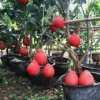

Red Grafted Pomelo, Red Chakotra (Citrus maxima) – Plant
Original price was: ₹949.00.₹799.00Current price is: ₹799.00.
- Live Plant along with a Platsic Pot.
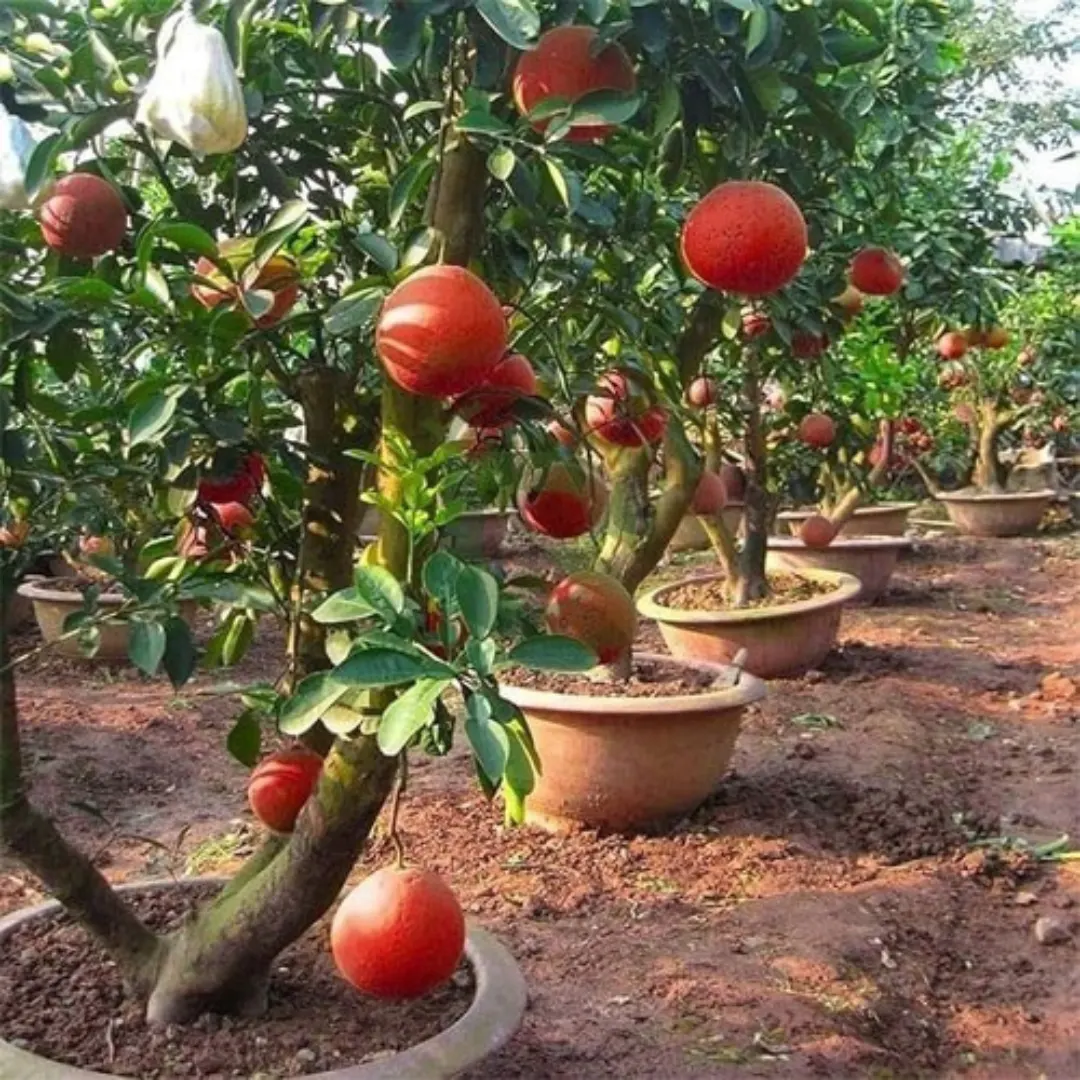
- Plant height is 12-18 inches in 6 inch Pot.
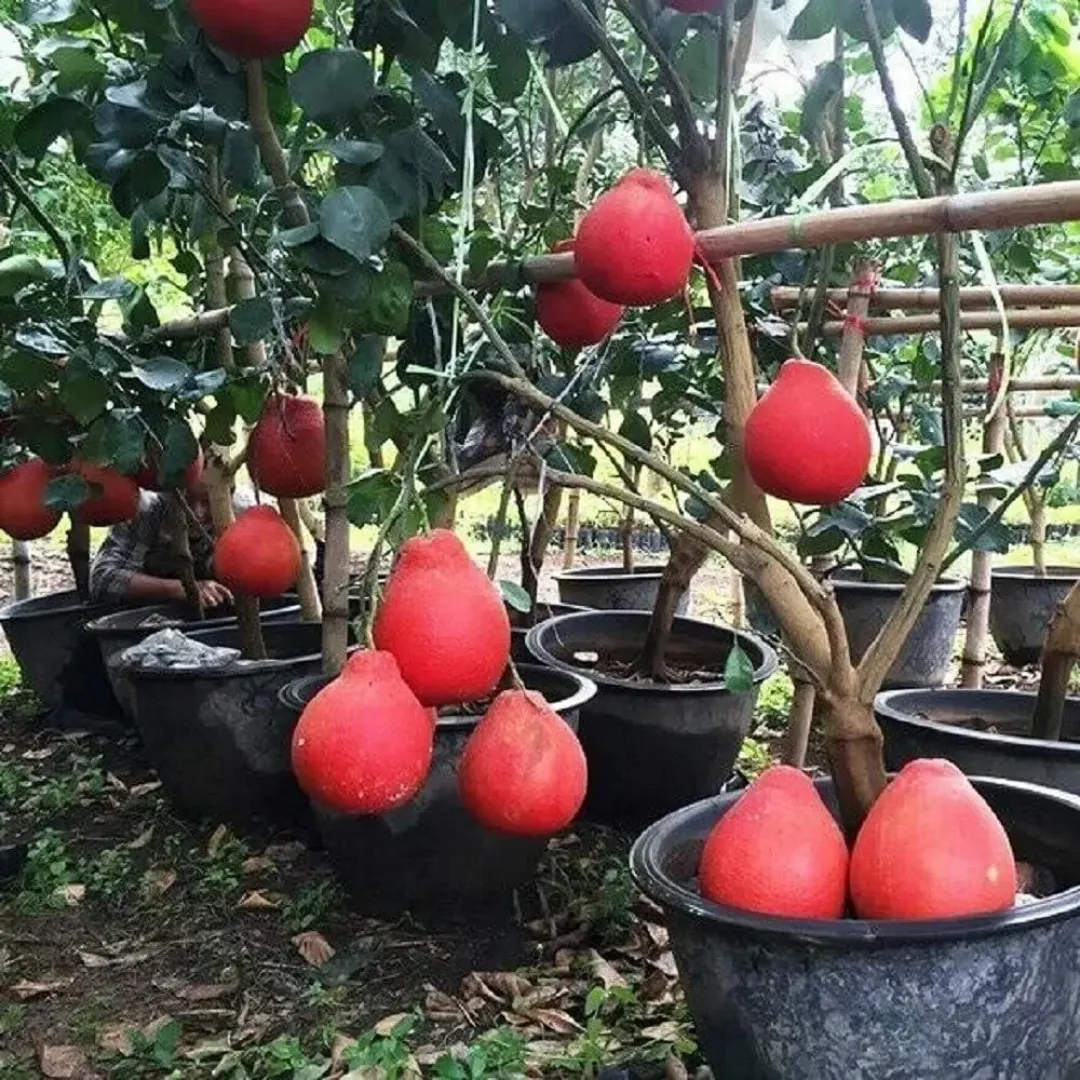
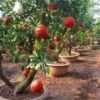
- Low maintenance, outdoor, flowering plant, Useful for home gardens, orchards, terraces, and large containers.
Description
Red Grafted Pomelo, Red Chakotra (Citrus maxima) – Plant
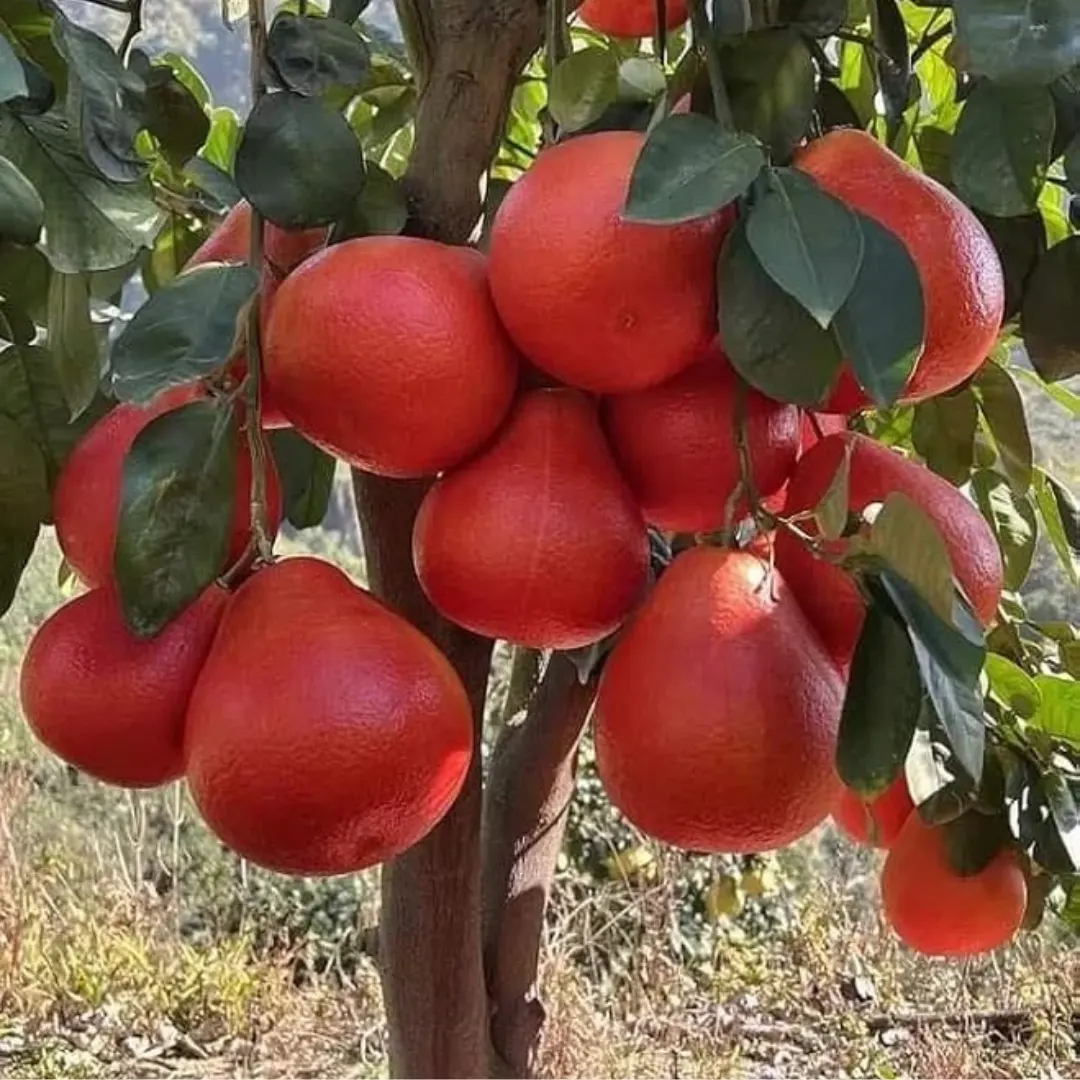
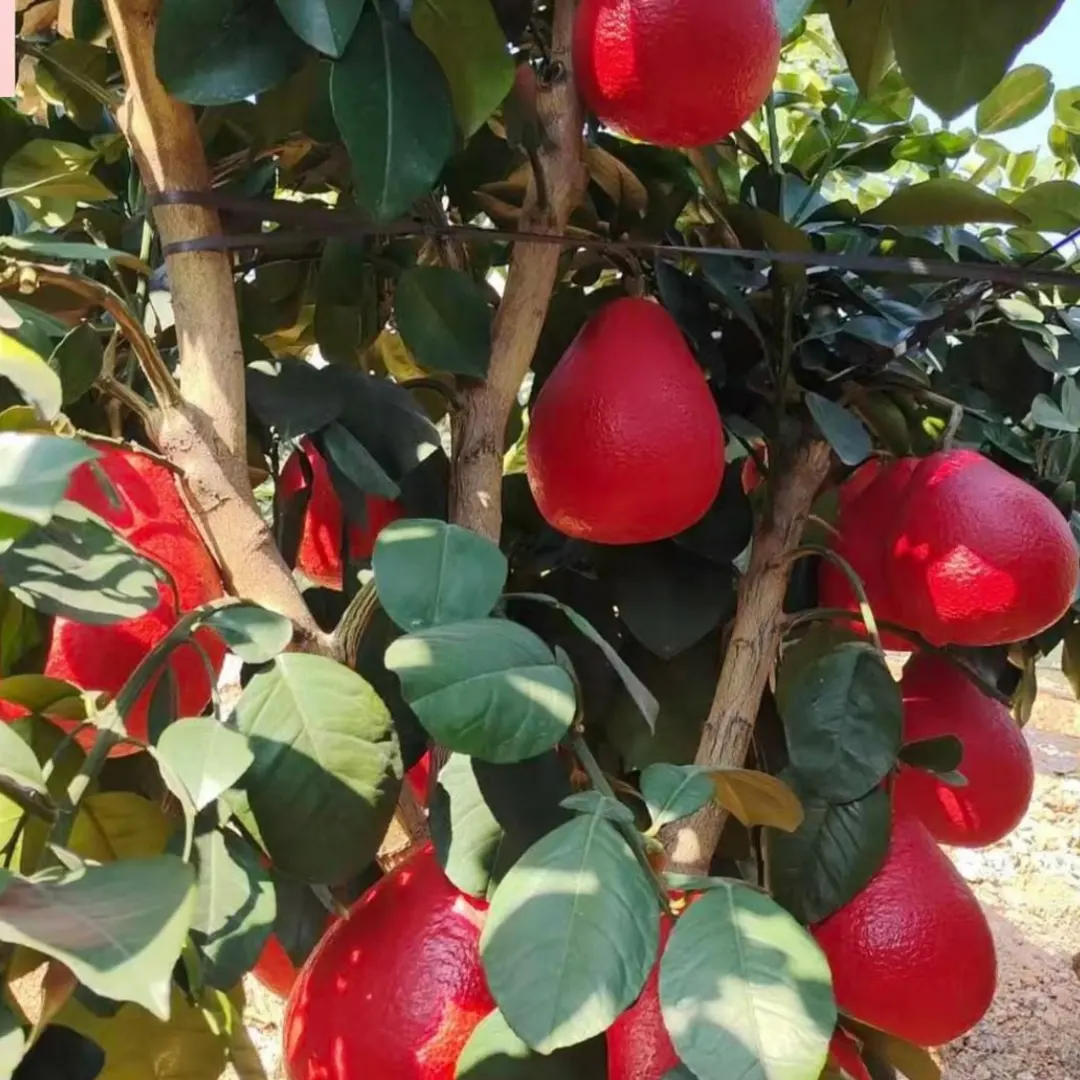
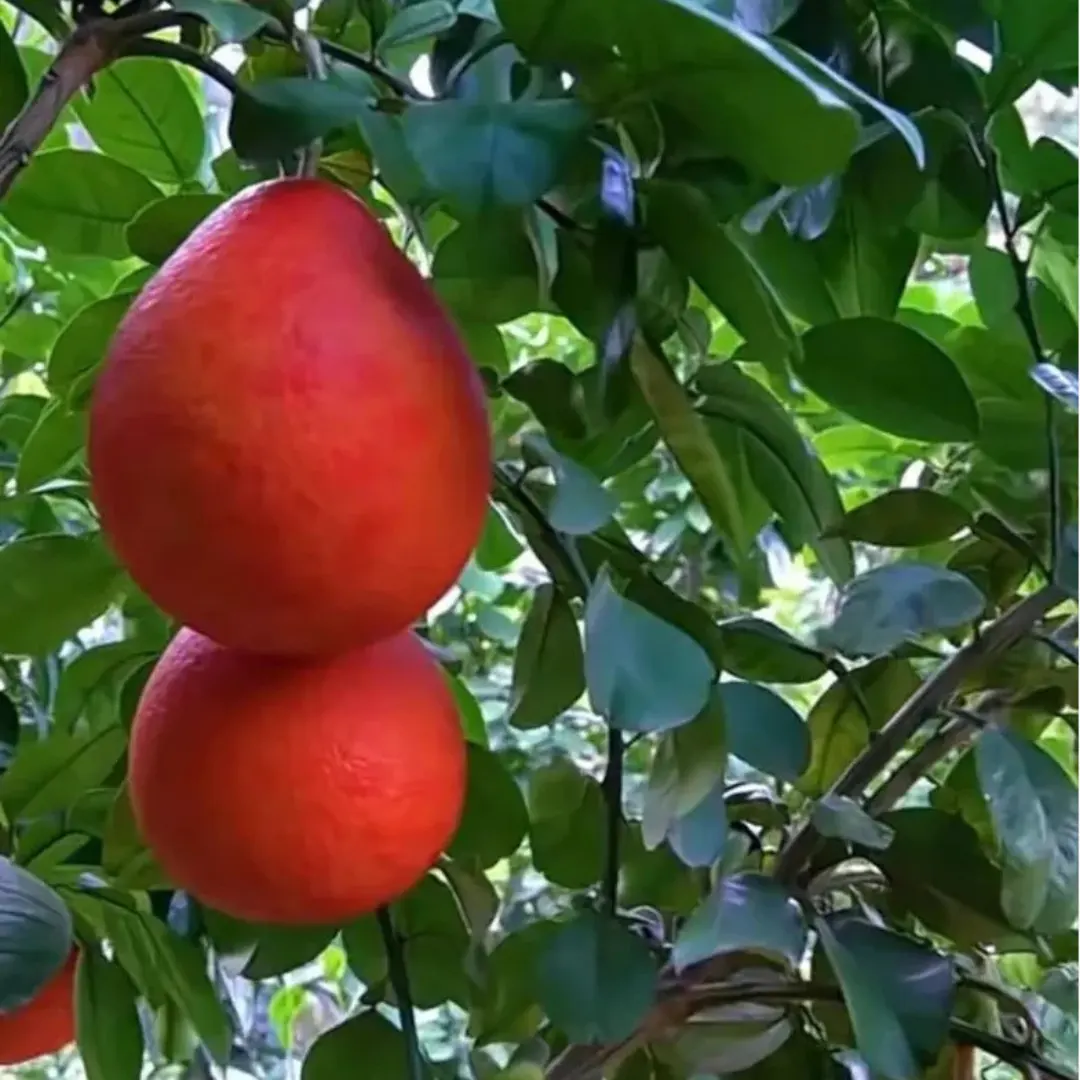
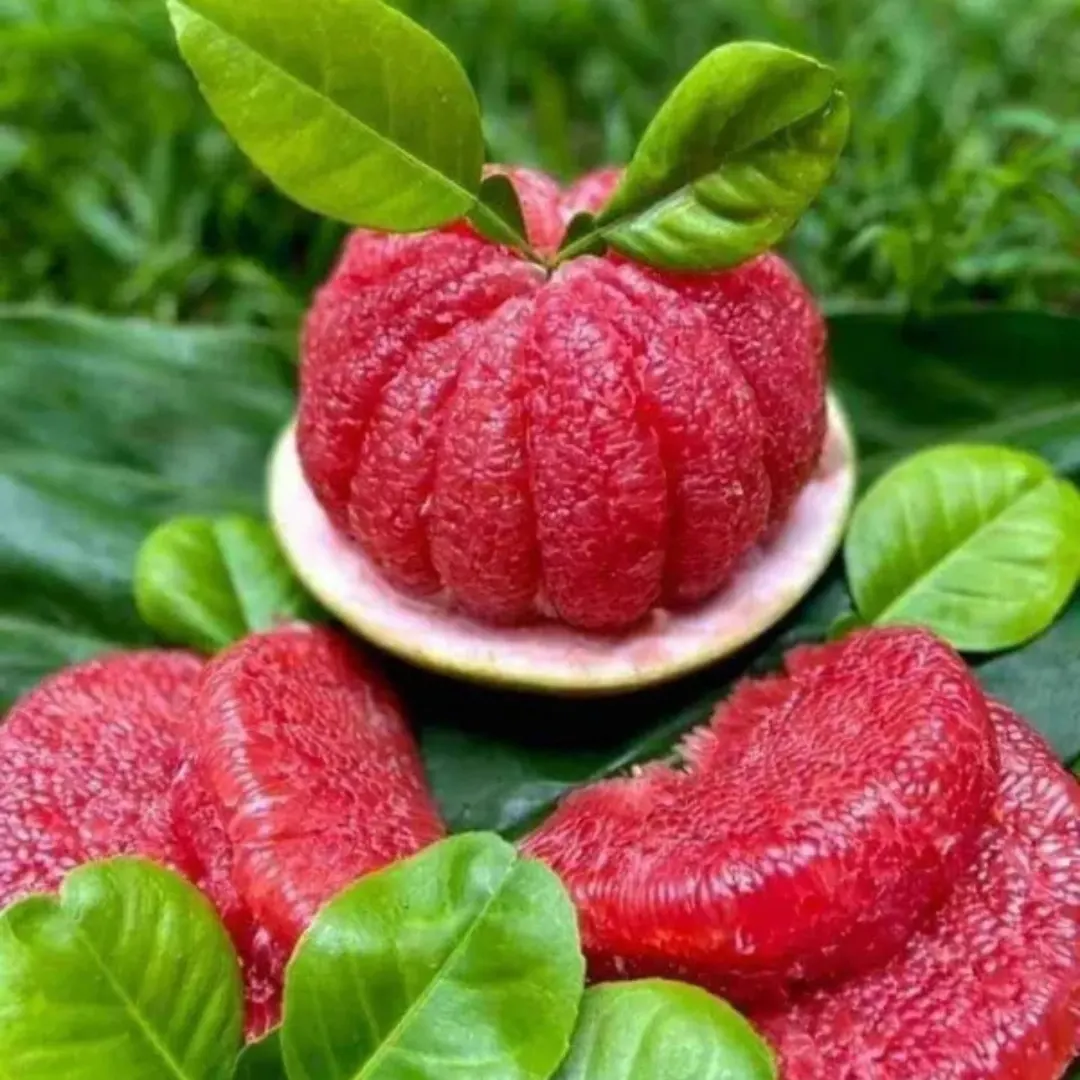
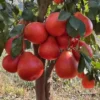
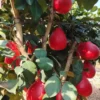
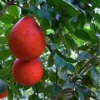
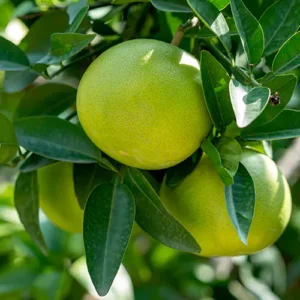
Red Grafted Pomelo, also known as Red Chakotra (Citrus maxima), is a premium citrus fruit plant valued for its large fruits, juicy red flesh, and refreshing sweet-tangy flavour. Pomelo is native to Southeast Asia and thrives in warm tropical and subtropical climates. This grafted variety is an excellent choice for home gardens, orchards, and fruit lovers who want quality fruits from a grafted plant.
It is an outdoor plant that requires plenty of sunlight, fertile soil, and good drainage for healthy growth. Its speciality is its attractive red-pink flesh, large fruit size, juicy texture, pleasant aroma, and delicious flavour. With proper care, Red Chakotra can be a productive and beautiful addition to your fruit garden.
Features
- Produces large, attractive pomelo fruits with red to pinkish flesh.
- Fruits have a juicy, refreshing sweet-tangy flavour.
- Grafted plant can establish and fruit earlier than seed-grown plants.
- Excellent choice for home gardens, orchards, and large terraces.
- Evergreen plant with attractive green foliage.
- Suitable for warm tropical and subtropical climates.
Growing Requirements
- Sunlight: 6–8 hours of direct sunlight daily.
- Soil: Fertile, well-draining soil rich in organic matter.
- Water: Moderate and regular watering; avoid waterlogging.
- Temperature: Prefers warm, frost-free conditions.
- Pot: Use a large container with sufficient drainage if growing in a pot.
- Fertilizer: Apply compost, organic manure, and a balanced citrus fertilizer regularly.
Plantation Tips
- Select a sunny location with good air circulation.
- Dig a hole wider and deeper than the root ball.
- Mix the excavated soil with well-rotted compost or organic manure.
- Carefully place the plant without disturbing its roots.
- Keep the graft union above the soil level.
- Fill the soil around the root ball and water thoroughly.
- Maintain adequate spacing from buildings and other trees
Care & Tips
- Water deeply when the top layer of soil becomes slightly dry.
- Avoid overwatering, as stagnant water can cause root problems.
- Feed with citrus fertilizer and organic compost during active growth.
- Remove weeds around the plant regularly.
- Prune dead, damaged, or overcrowded branches to maintain good airflow.
- Remove any unwanted shoots growing below the graft union.
- Monitor leaves and new growth regularly for common citrus pests.
- During fruit development, maintain consistent watering without creating waterlogged soil.
- Protect young plants from extreme cold and strong winds.
Additional information
| Weight | 1.5 kg |
|---|---|
| Dimensions | 11 × 11 × 15 cm |
| Size | Medium |
You must be logged in to post a review.
Reviews
There are no reviews yet.