


Silver Palm, Bismarckia Nobilis
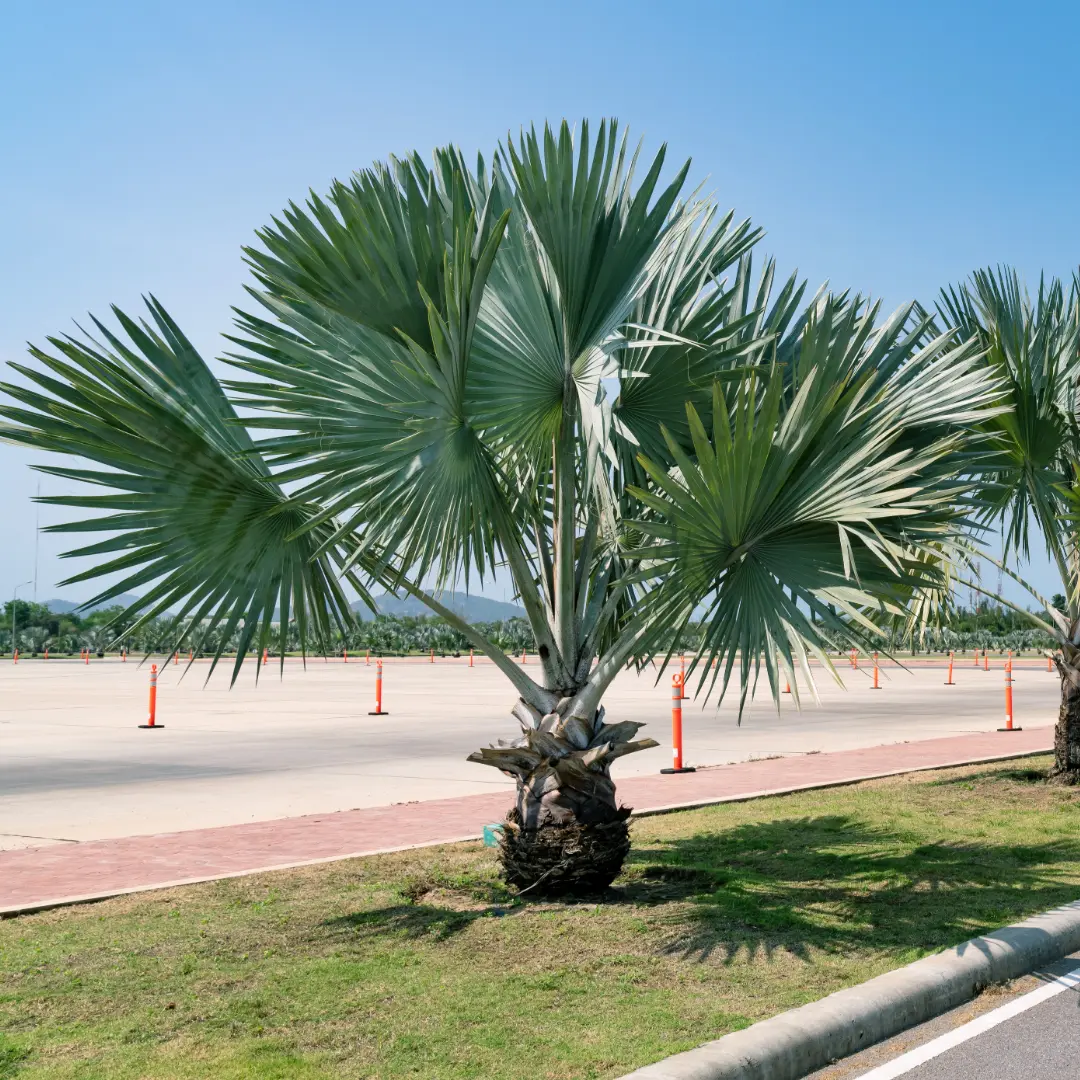
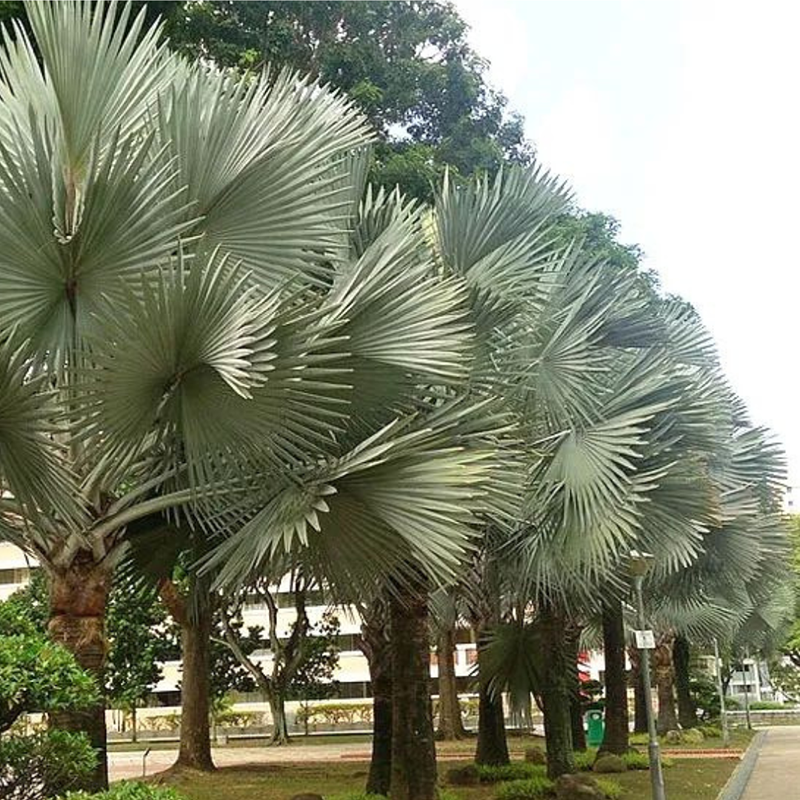
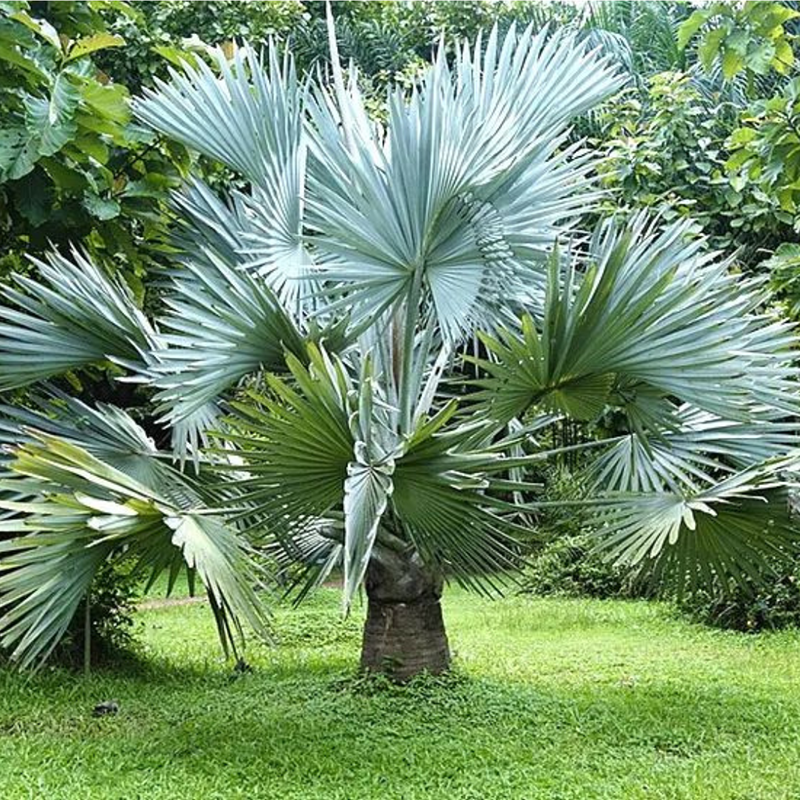
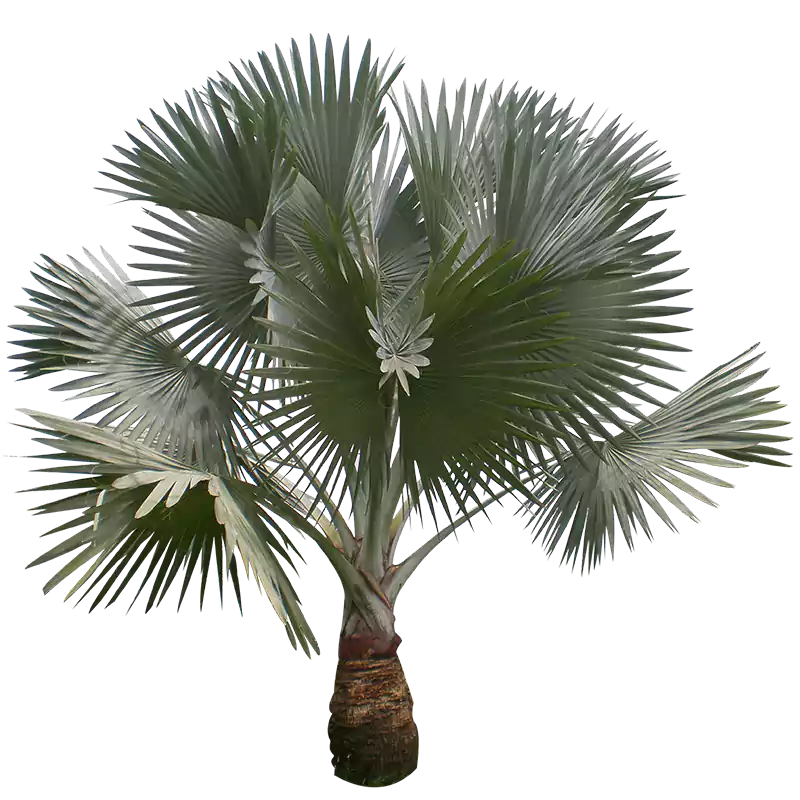

Silver Palm, Bismarckia Nobilis
Price range: ₹799.00 through ₹6,999.00
- Live Plant along with pot.
- Plant height will be 14-18 inches for Small Varient
- Plant height will be 24-32 inches for Medium Varient
- Plant height will be 36-42 inches for Large Varient
- Plant height will be 62-65 inches for XXX-Large Varient
- Best used for landscapes, gardens, resorts, parks, and large open space
Description
Bismarck Palm, Bismarckia Nobilis
Bismarckia nobilis, commonly known as the Bismarck Palm, is a spectacular ornamental palm admired for its massive silver-blue fan-shaped foliage and majestic appearance. Native to Madagascar, this tropical beauty adds elegance and architectural charm to landscapes, gardens, avenues, parks, and large open spaces.
The Bismarck Palm thrives in warm climates and performs best in full sunlight with well-drained soil. Its striking color, bold structure, and low-maintenance nature make it an excellent focal point in landscape designs.
One of the most attractive qualities of this palm is its excellent drought tolerance once established. It is ideal for hot and dry regions, requiring relatively little care while delivering a dramatic tropical look.
Features
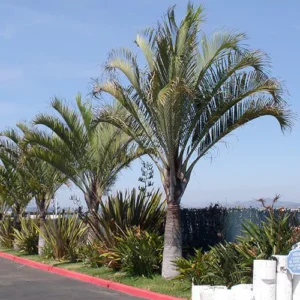
Bismarckia nobilis is a solitary-trunk palm with a thick grey to tan trunk marked by ring-like scars from old leaf bases. The trunk typically grows 30–45 cm in diameter and may slightly bulge near the base.
In its natural habitat, the palm can grow over 25 meters tall, while cultivated specimens generally reach around 10–12 meters. The enormous circular fan-shaped leaves can grow more than 3 meters wide and are divided into multiple rigid segments, creating its iconic sculptural appearance.
The foliage color ranges from silvery-blue to blue-green, especially in plants grown under full sun.
Sunlight Requirements
Your Bismarck Palm thrives in full sunlight and requires at least 6–8 hours of direct sunlight daily for healthy growth, strong trunk development, and vibrant foliage color.
Watering
Water your Bismarck Palm moderately, allowing the soil to dry slightly between watering sessions. Deep watering is recommended during the establishment stage.
Once mature, the plant becomes highly drought-tolerant and requires minimal watering. Avoid waterlogging or excessive watering, as soggy soil may lead to root rot.
Fertilizing
Feed your Bismarck Palm with a balanced slow-release palm fertilizer every 3–4 months during the growing season to encourage healthy foliage, vigorous growth, and strong root development.
Using a fertilizer rich in magnesium and potassium helps maintain the palm’s rich foliage color and overall health.
Soil Requirements
Bismarckia nobilis grows best in well-drained sandy or loamy soil. Good drainage is essential to prevent root rot and maintain healthy root growth. The plant adapts well to poor soils once established but performs best in nutrient-rich soil with proper aeration.
Ideal Uses
- Landscape focal point
- Tropical garden designs
- Avenue plantation
- Resort and hotel landscaping
- Large lawns and open spaces
- Palm collections and ornamental gardens
Additional information
| Weight | 3 kg |
|---|---|
| Dimensions | 15 × 15 × 95 cm |
| Size | Small, Medium, Large, X-Large, XXX-Large |
You must be logged in to post a review.

Reviews
There are no reviews yet.