

Tabebuia Avellanedae (Pink Trumpet Tree) - Plant
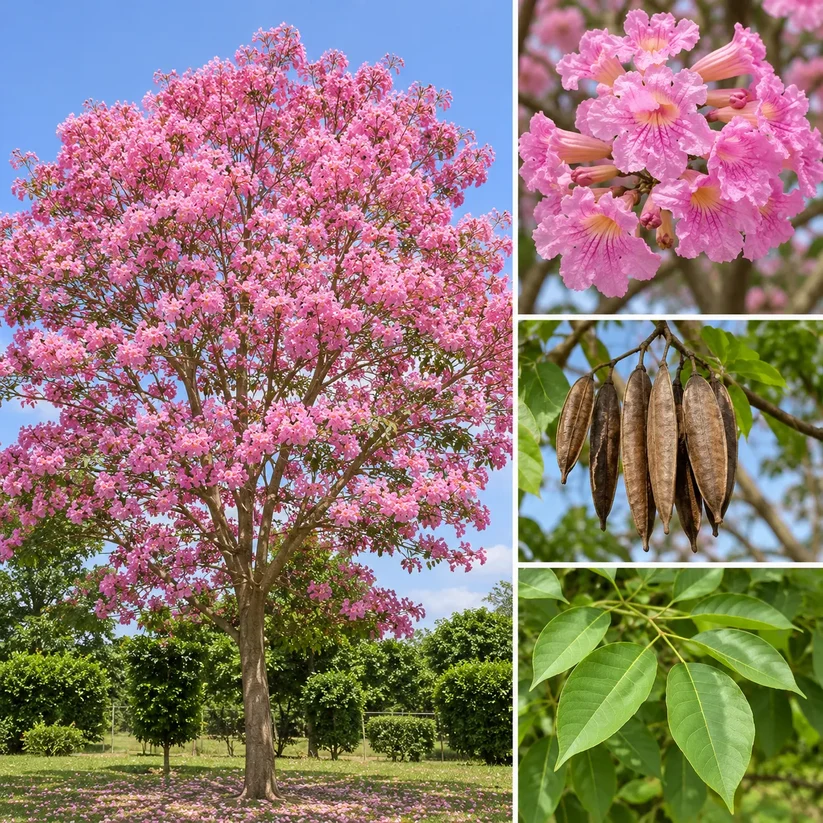
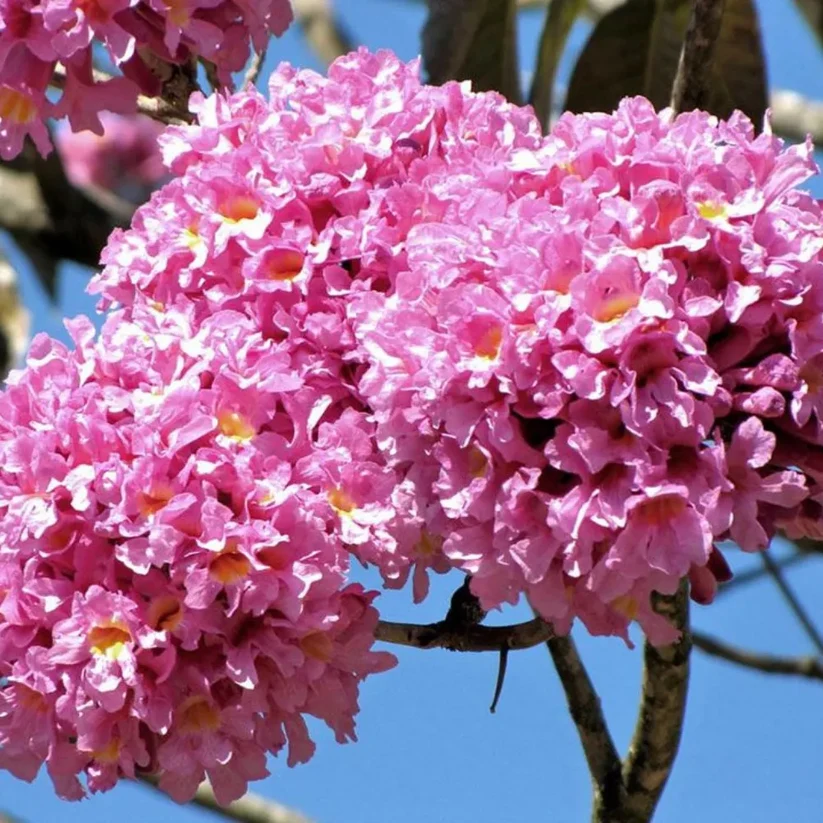


Tabebuia Avellanedae (Pink Trumpet Tree) – Plant
Original price was: ₹7,000.00.₹5,749.00Current price is: ₹5,749.00.
- Live Plant along with a Plastic Pot.
- Plant height is 68-72 inches in 16 inch Pot.
- Water: Water regularly during early growth; avoid waterlogging.
- Soil: Well-draining, fertile soil.
- Sunlight: Full sunlight, 6–8 hours daily.
 Watering Schedule
Water regularly during early growth; avoid waterlogging.
 Sunlight Needs
Full sunlight, 6–8 hours daily.
 Soil Condition
Well-draining, fertile soil.
Description
Tabebuia Avellanedae (Pink Trumpet Tree) – Plant
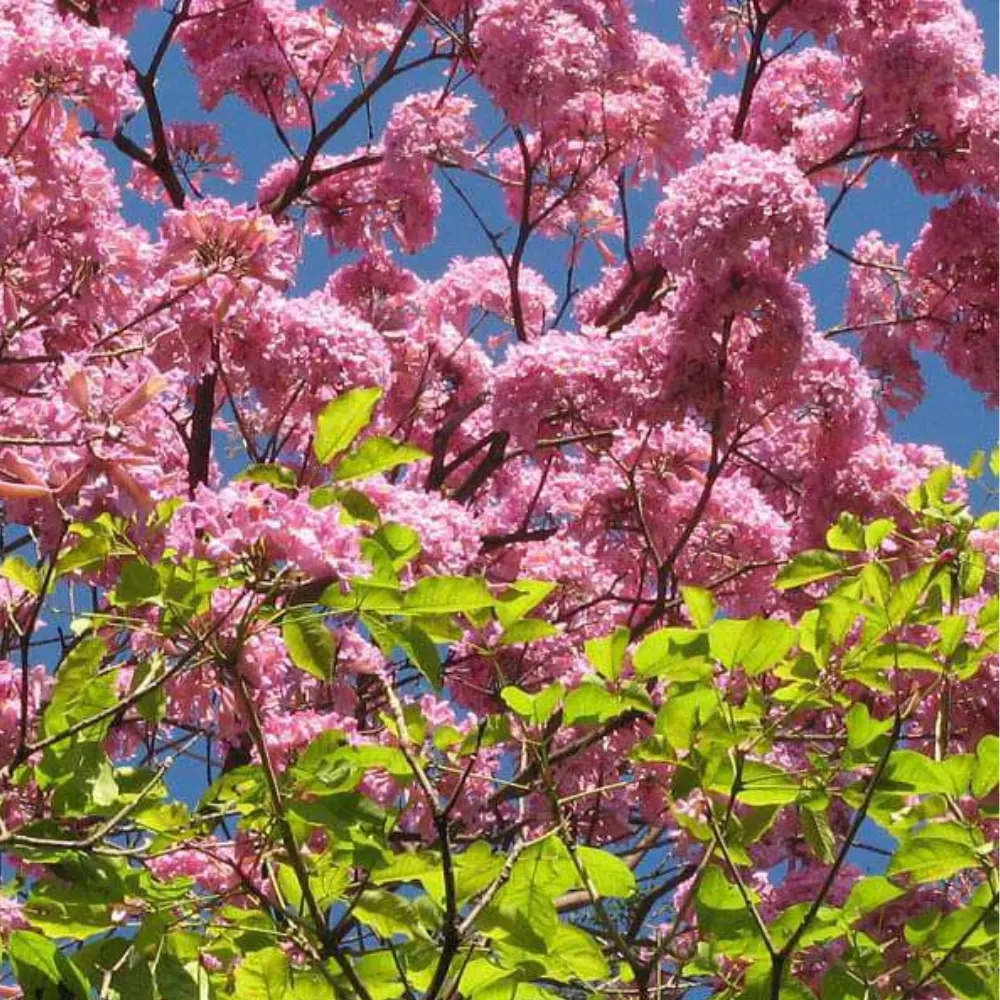
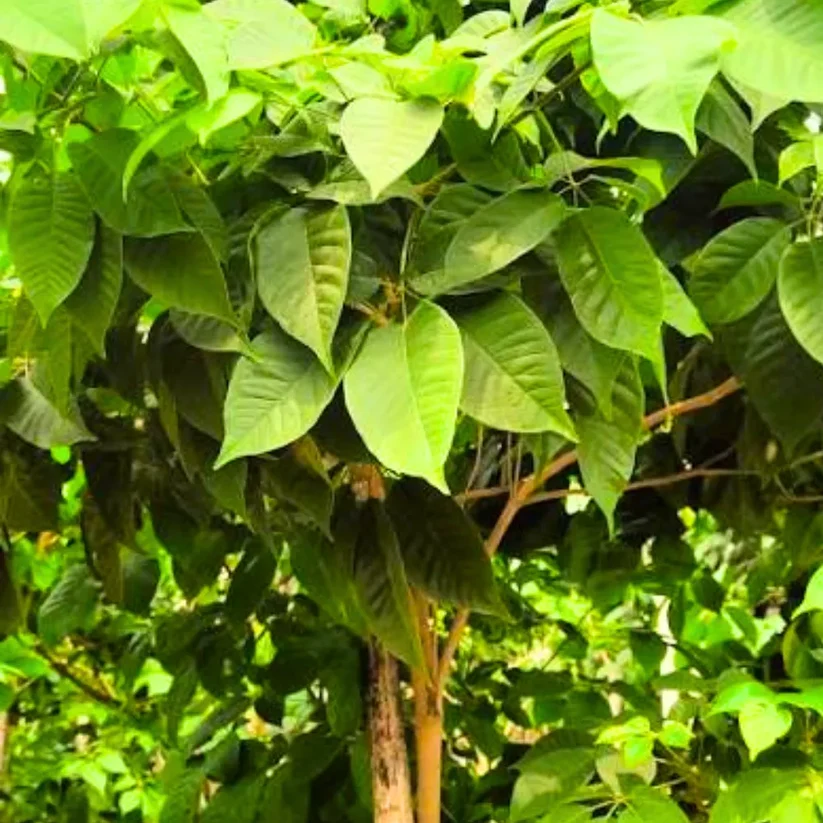
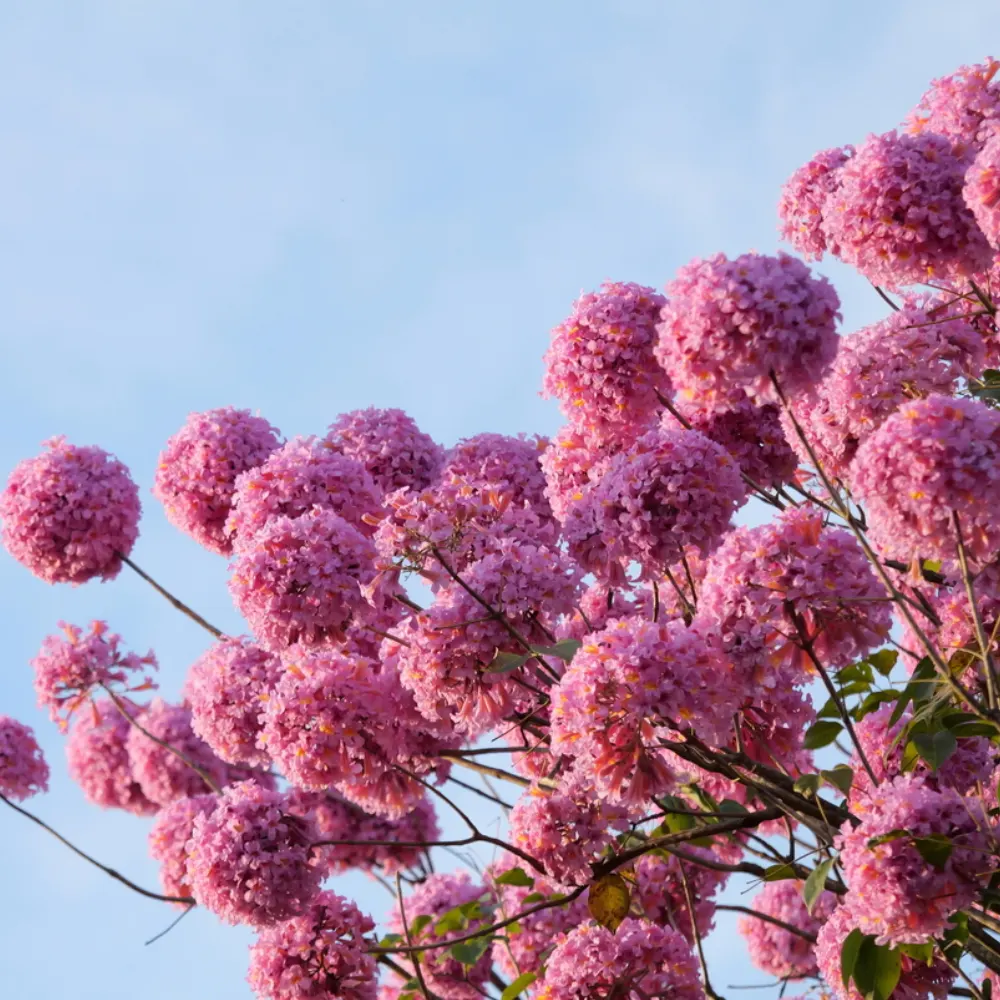
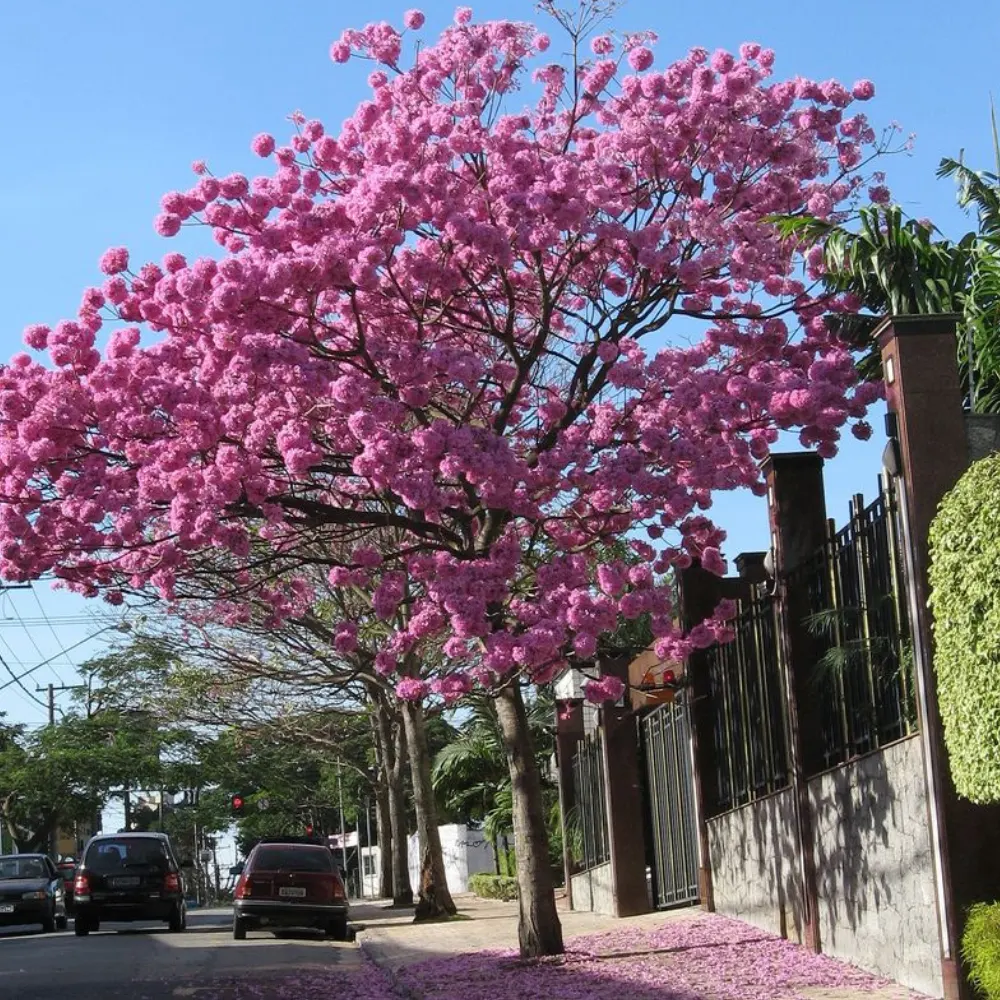
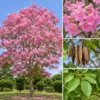
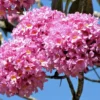
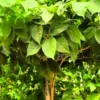
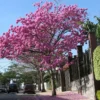
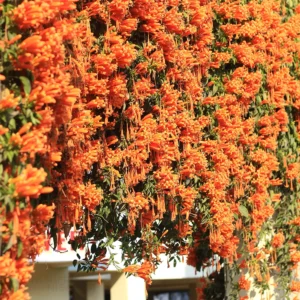
Tabebuia Avellanedae, commonly known as the Pink Trumpet Tree, is an ornamental flowering tree admired for its stunning pink, trumpet-shaped blossoms. Native to South America, particularly Argentina and surrounding regions, this beautiful tree belongs to the Bignoniaceae family. It is an outdoor plant that thrives in full sunlight and well-drained soil, making it ideal for gardens, parks, avenues, and landscape projects. Its speciality is its spectacular seasonal flowering, when branches become covered with vibrant pink blooms, creating a breathtaking, cherry-blossom-like appearance. With its attractive foliage and graceful growth, the Pink Trumpet Tree is an excellent choice for adding colour, elegance, and tropical beauty to outdoor spaces.
Tabebuia Avellanedae (Pink Trumpet Tree) – Plant Care Guide
1. Features
-
Flower Colour: Beautiful pink to magenta, trumpet-shaped flowers.
-
Plant Type: Ornamental flowering tree.
-
Growth Habit: Deciduous tree with a spreading canopy.
-
Speciality: Produces a spectacular seasonal floral display, sometimes covering the branches with vibrant blooms.
-
Best For: Gardens, parks, avenues and landscaping.
2. Growing Requirements
-
Sunlight: Full sunlight, around 6–8 hours daily.
-
Soil: Fertile, well-draining soil.
-
Temperature: Prefers warm, tropical and subtropical conditions.
-
Growth Rate: Moderate, depending on climate and growing conditions.
-
Placement: Outdoor only; allow sufficient space for mature growth.
3. Plant Care
-
Watering: Water regularly while young. Once established, water when the soil begins to dry.
-
Fertilizer: Apply a balanced fertilizer during the active growing season.
-
Pruning: Remove dead or weak branches and maintain a healthy canopy.
-
Pest Control: Inspect leaves regularly for aphids and caterpillars.
-
Winter Care: Protect young plants from frost and prolonged cold.
4. Plantation Guide
- Select an outdoor location receiving plenty of direct sunlight.
- Dig a hole approximately twice as wide as the root ball.
- Prepare loose soil mixed with compost to improve drainage and fertility.
- Place the plant upright, keeping the root collar at ground level.
- Fill the hole with soil and water thoroughly.
- Maintain regular watering during establishment and avoid waterlogging
Additional information
| Weight | 1.5 kg |
|---|---|
| Dimensions | 15 × 15 × 30 cm |
You must be logged in to post a review.




Reviews
There are no reviews yet.