
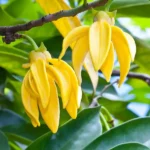
Kathali Champa "Artabotrys hexapetalus"- Plant
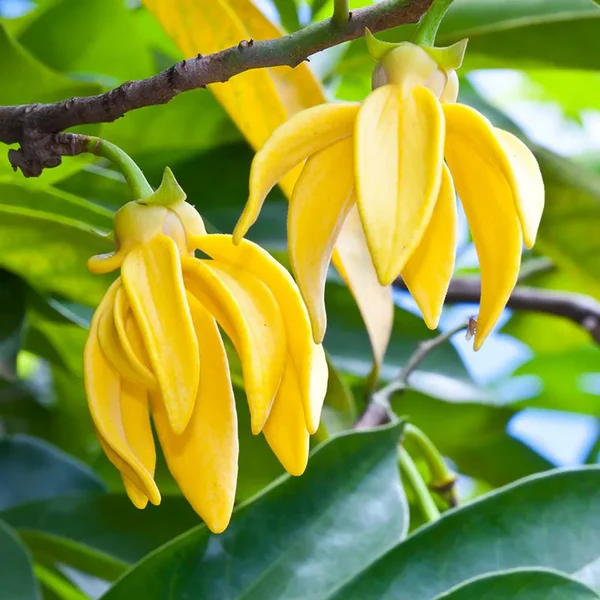
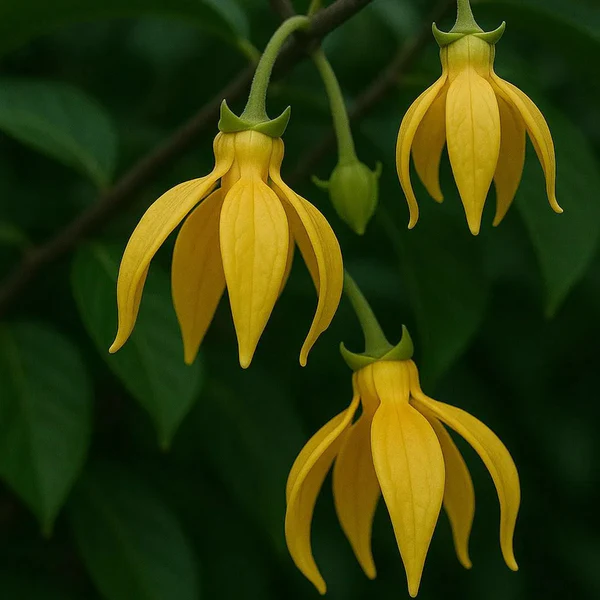
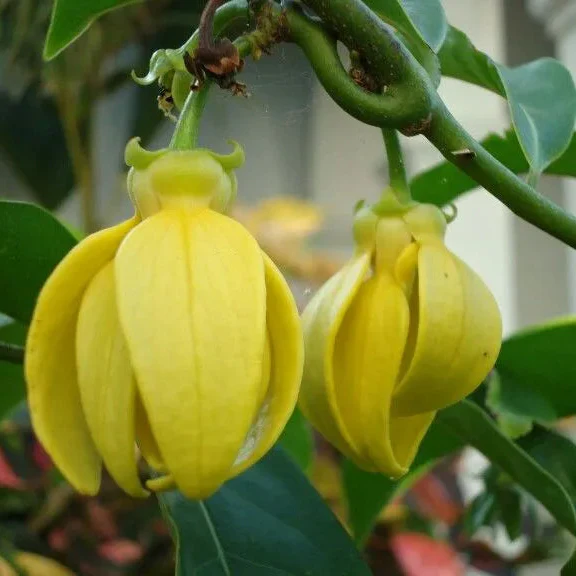
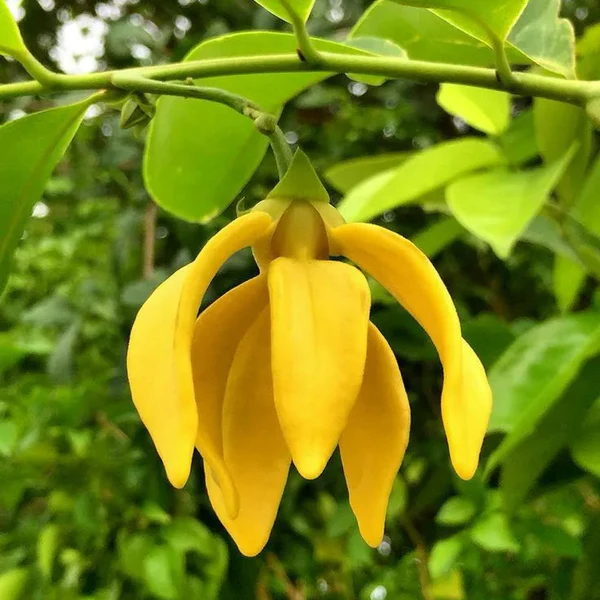
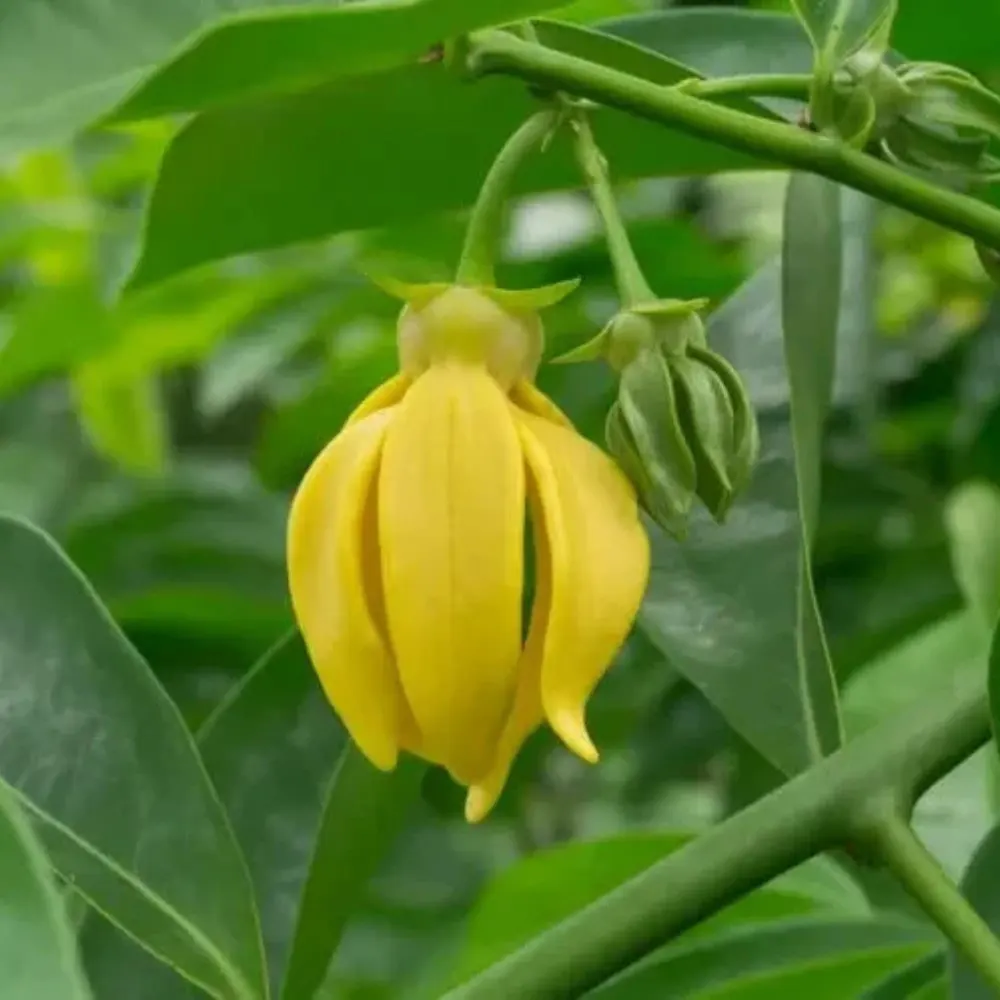
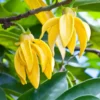
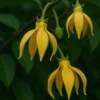
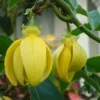
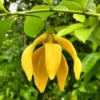
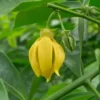
Kathali Champa “Artabotrys hexapetalus”- Plant
Original price was: ₹799.00.₹599.00Current price is: ₹599.00.
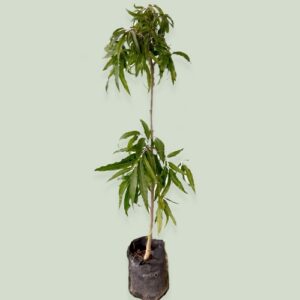
- Live Plant along with a Plastic Pot.
- Plant height is 8-12 inches in 6 inch Pot.
- Low maintenance, outdoor, flowering plant, Useful for home gardens, temple landscapes, and decorative avenues.
 Watering Schedule
Water regularly, allowing the topsoil to dry slightly between watering; avoid waterlogging.
 Sunlight Needs
Thrives in full sun to partial shade with at least 5–6 hours of sunlight daily.
 Soil Condition
Prefers fertile, well-drained, organic-rich soil with good moisture retention.
 Gardening Experience Level
Suitable for beginners to intermediate gardeners due to its low maintenance and vigorous growth.
Description
Kathali Champa “Artabotrys hexapetalus”- Plant
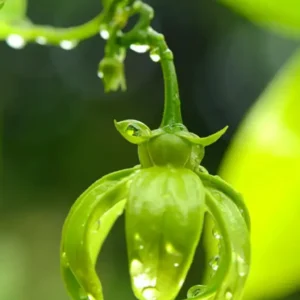
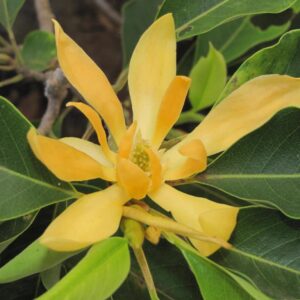
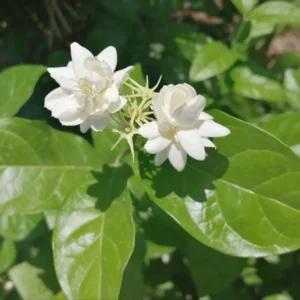
Kathali Champa (Artabotrys hexapetalus), popularly known as Climbing Ylang-Ylang or Manoranjitham, is a beautiful evergreen flowering climber prized for its intensely fragrant blossoms. Native to India and Southeast Asia, this ornamental plant produces unique six-petaled flowers that emerge green and gradually turn golden yellow as they mature. It is primarily an outdoor plant, ideal for growing over pergolas, arches, fences, balconies, and garden trellises where it receives plenty of sunlight.
Kathali Champa blooms from spring through the monsoon, filling the surroundings with a rich, sweet fragrance that lasts throughout the day. Its flowers are often used in traditional garlands, religious ceremonies, and natural perfumes. Easy to maintain and highly attractive to butterflies and pollinators, this climber adds elegance, lush greenery, and a delightful tropical aroma to any landscape or home garden.
Features of Kathali Champa (Artabotrys hexapetalus)
- Highly fragrant evergreen flowering climber with attractive greenish-yellow to golden-yellow blooms.
- Produces unique six-petaled flowers with a rich, sweet fragrance.
- Ideal for pergolas, arches, fences, balconies, and garden trellises.
- Long flowering season from spring through the monsoon.
- Attracts butterflies, bees, and other beneficial pollinators.
- Suitable for tropical and subtropical climates.
- Excellent ornamental plant for landscaping and home gardens.
- Flowers are commonly used in garlands, religious offerings, and natural perfumes.
Plantation
- Choose a sunny location with at least 5–6 hours of direct sunlight.
- Plant in fertile, well-drained soil enriched with compost or organic manure.
- Dig a pit about 1–1.5 feet deep and mix garden soil with compost before planting.
- Maintain a spacing of 2–3 meters between plants for proper growth.
- Install a strong support such as a trellis, pergola, or fence for climbing.
- Water thoroughly after planting to help establish healthy roots.
Growing
- Thrives in warm, humid climates.
- Requires 5–6 hours of sunlight daily.
- Feed with organic compost every 6–8 weeks.
- Prune lightly to encourage flowering
Care Tips
- Water regularly but avoid waterlogging.
- Remove dry branches and spent flowers.
- Protect from frost and cold winds.
- Inspect for pests and use neem oil if needed.
Additional information
| Weight | 1.5 kg |
|---|---|
| Dimensions | 15 × 15 × 30 cm |
| Size | Medium |
You must be logged in to post a review.
Reviews
There are no reviews yet.