
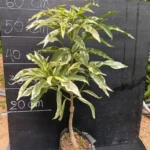
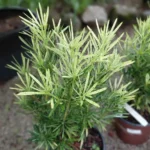
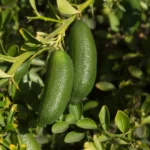
Finger Lemon, Caviar Lime "Citrus Australasica" – Plant
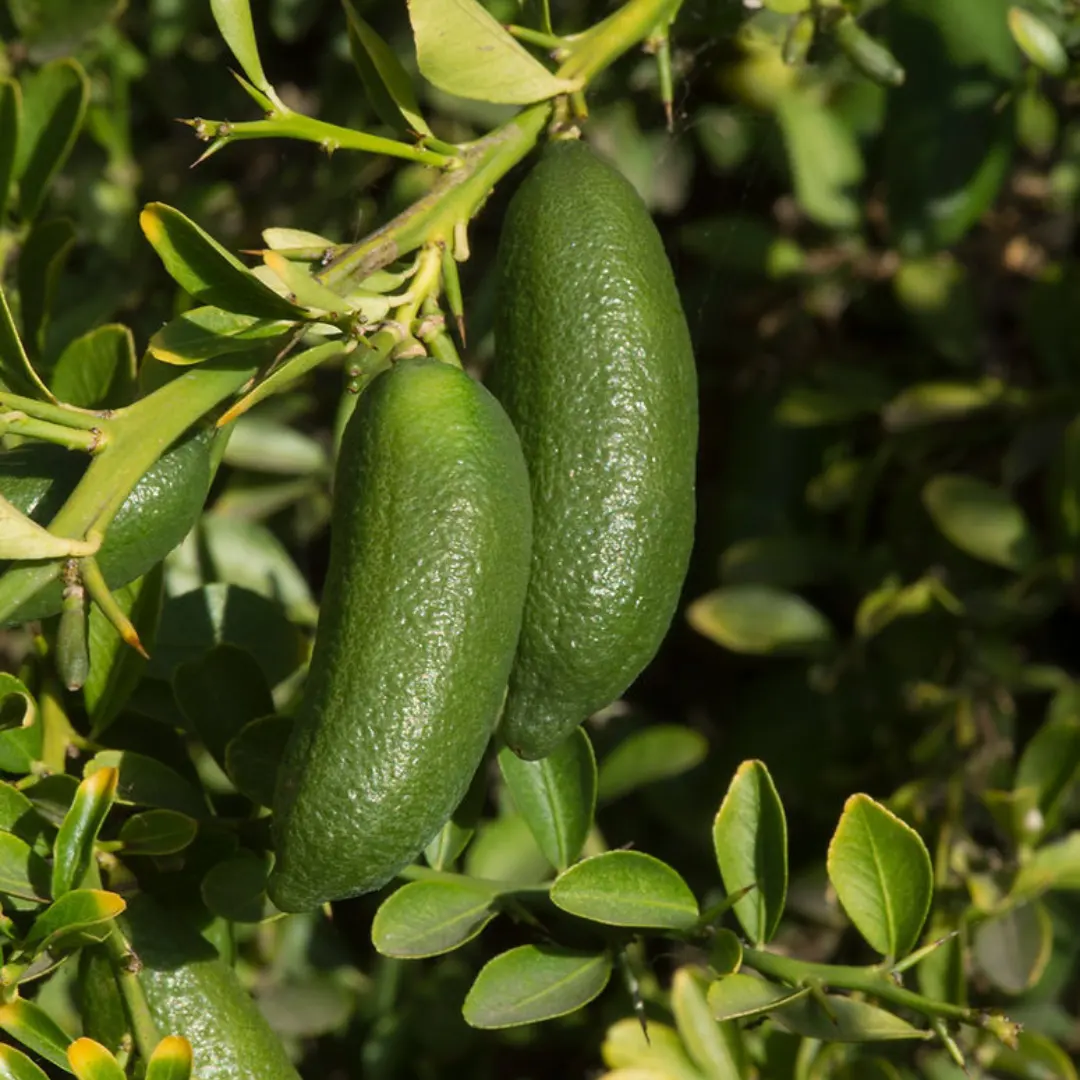

Finger Lemon, Caviar Lime “Citrus Australasica” – Plant
Original price was: ₹2,149.00.₹1,849.00Current price is: ₹1,849.00.
- Live Plant along with a Platsic Pot.
- Plant height is 18-24 inches in 8 inch Pot.
- Moderate waterin keep soil slightly moist, not waterlogged.
- Well-draining, fertile soil rich in organic matter.
- Bright sunlight; 4–6 hours of direct sun daily.
- Low maintenance, outdoor, fruit plant, Useful for large containers on sunny balconies, patios, or terraces.
Description
Finger Lemon, Caviar Lime “Citrus Australasica” – Plant
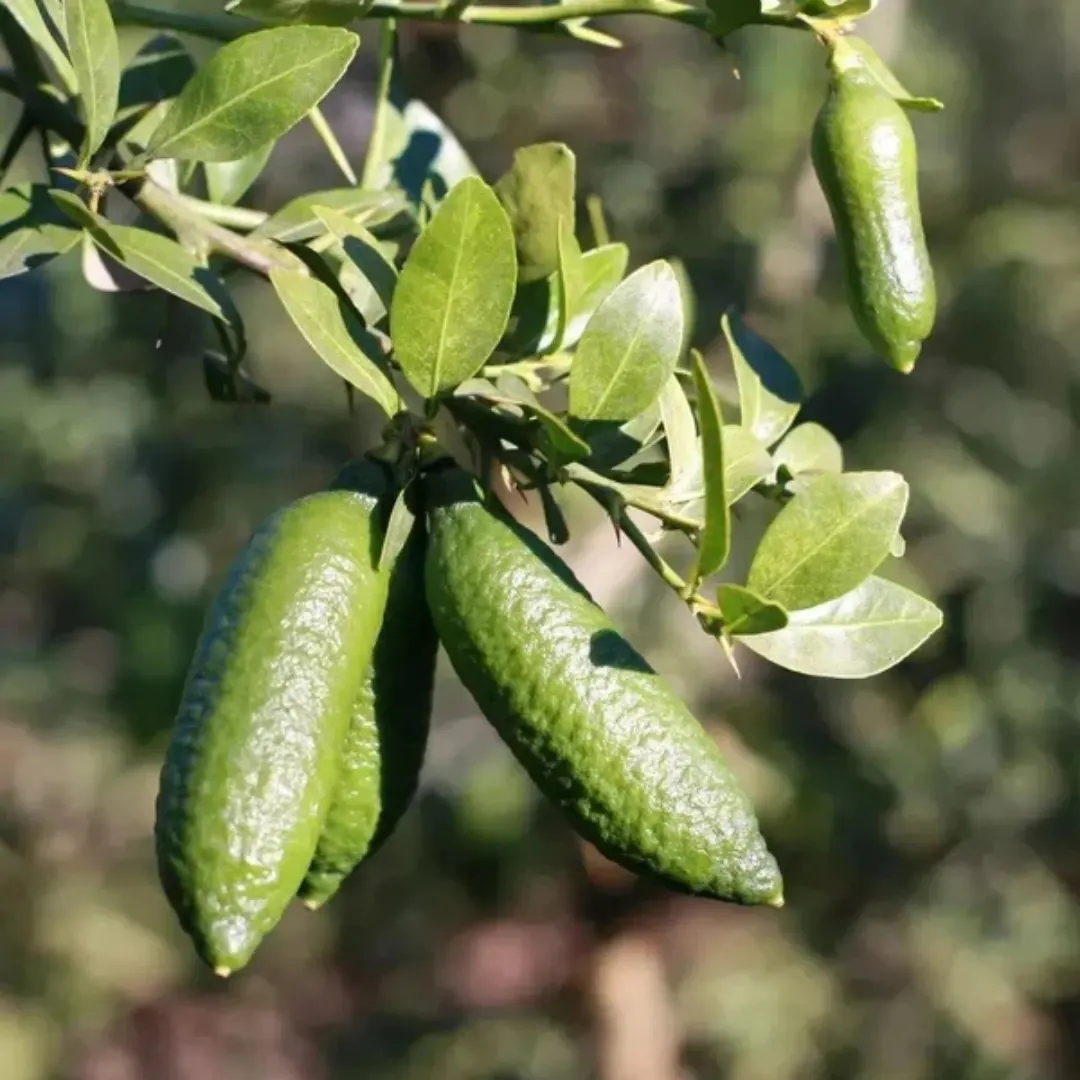
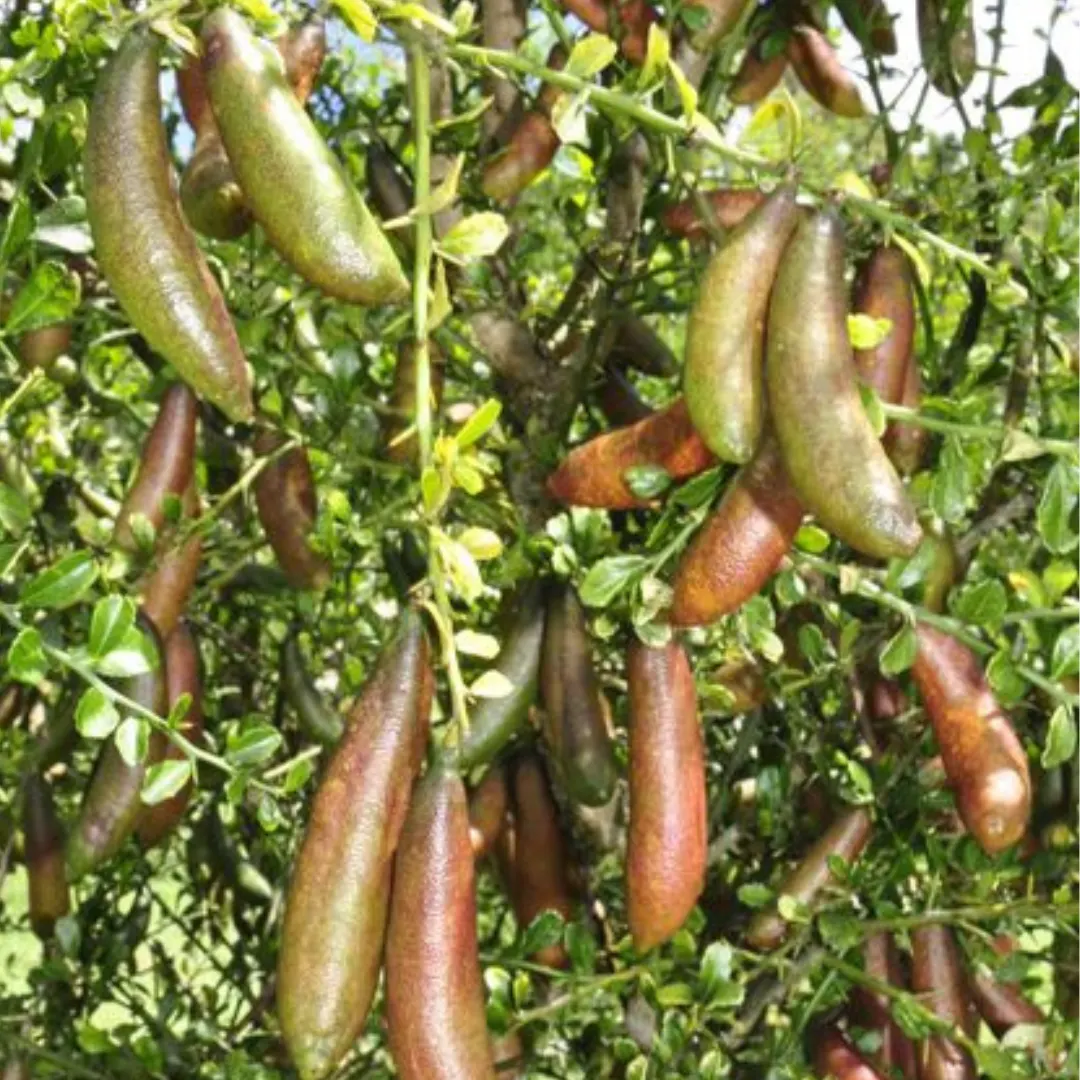
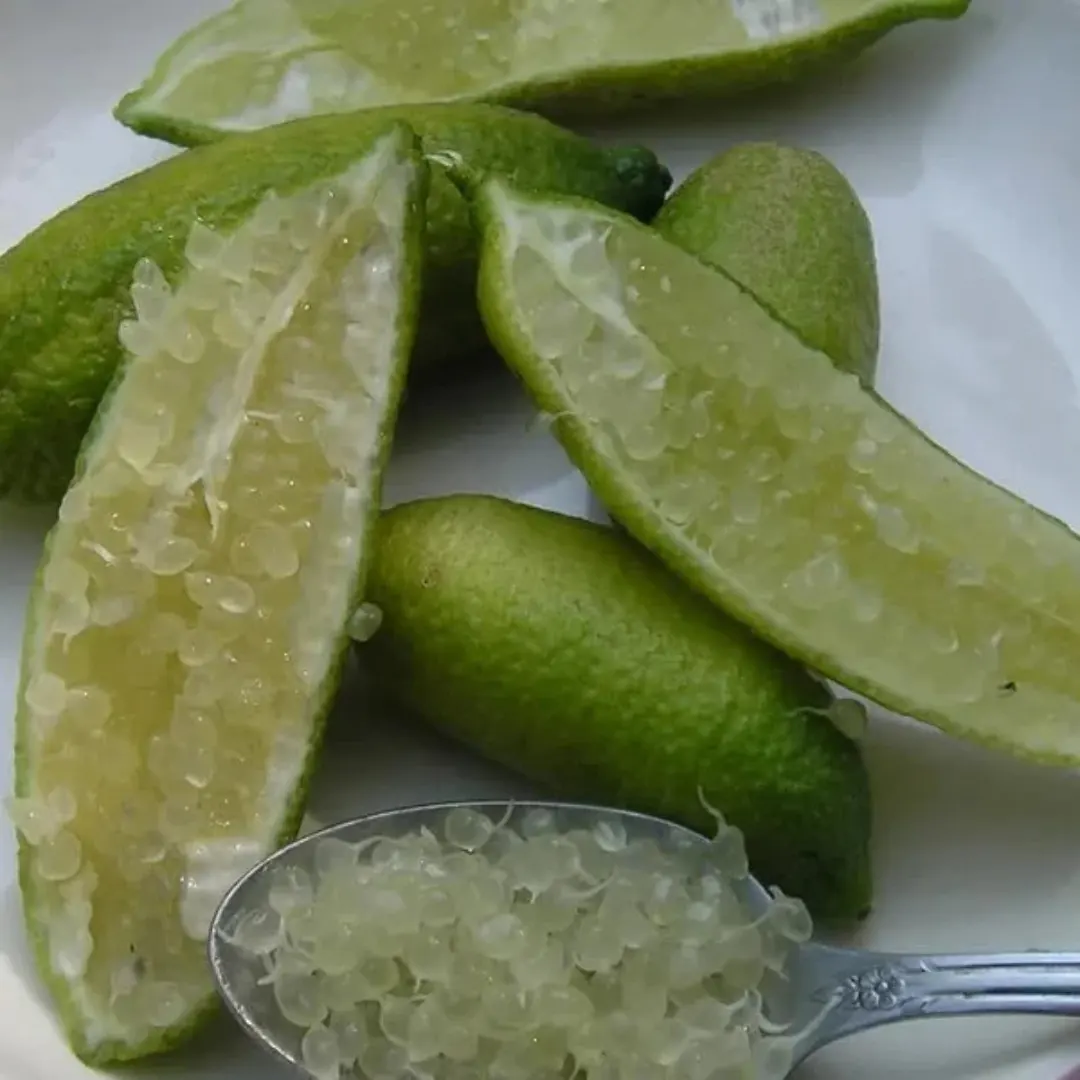
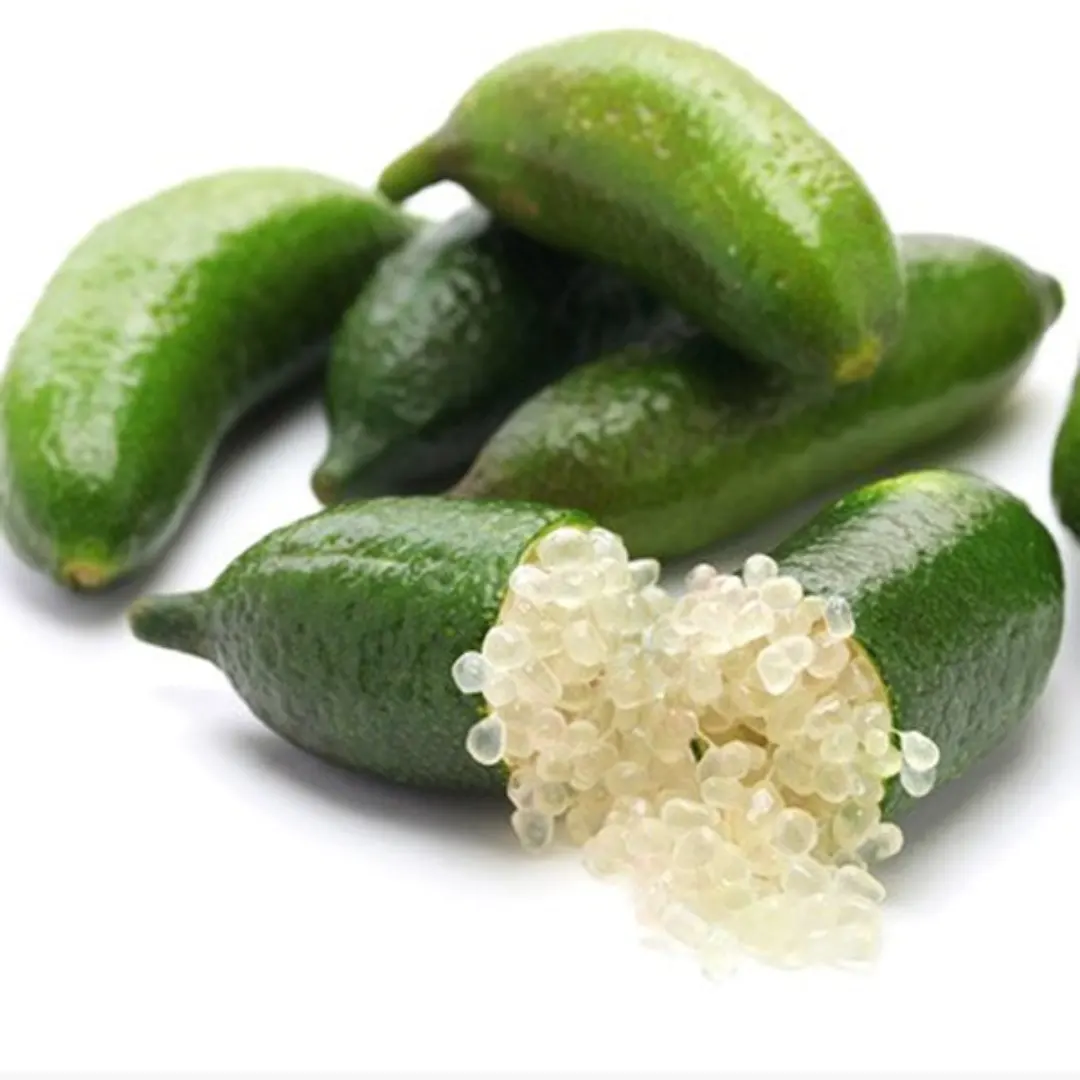
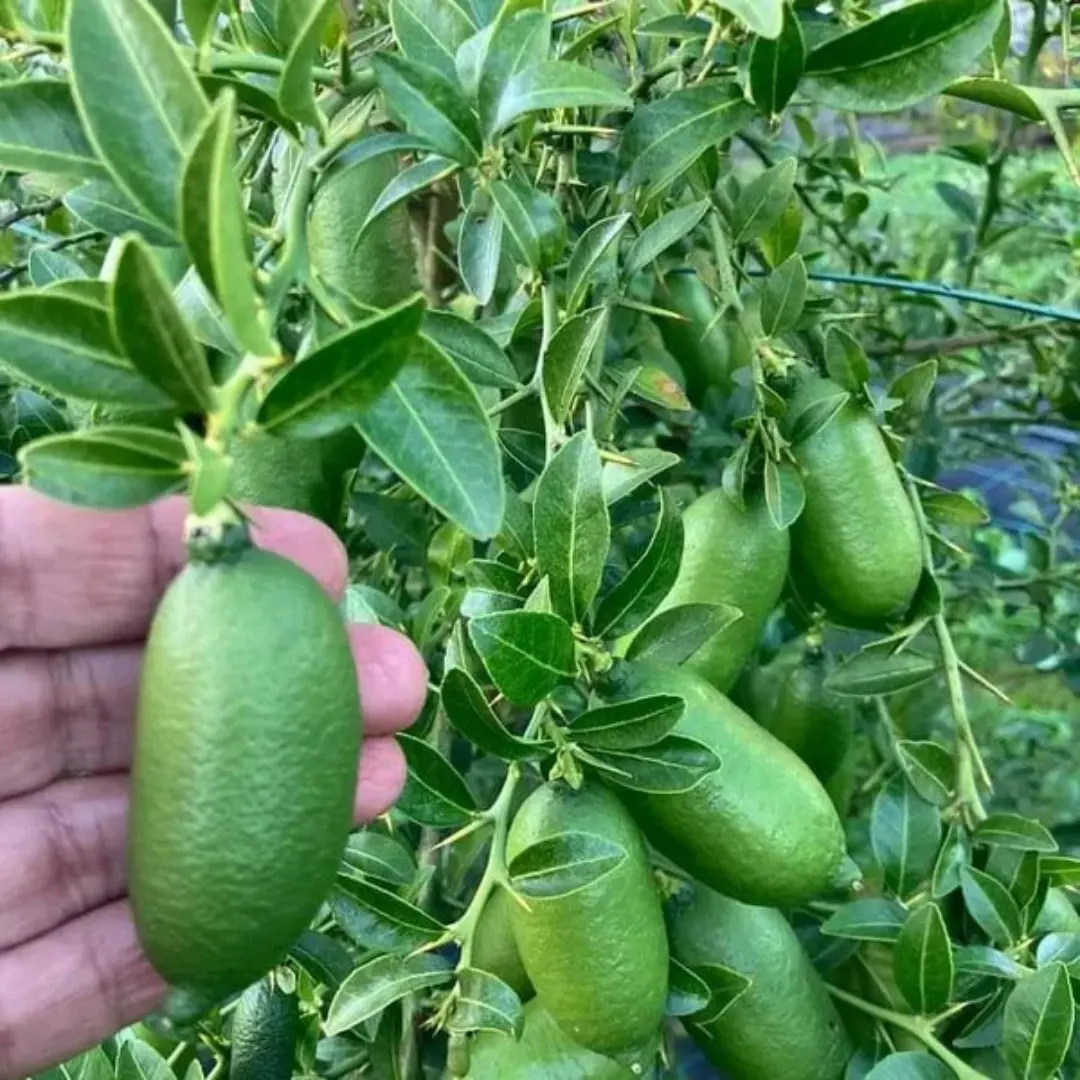
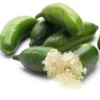
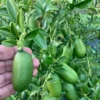
Finger Lemon, also known as Caviar Lime, is a unique Australian citrus plant prized for its elongated fruits filled with tiny, juicy pearls that resemble caviar. Citrus australasica is native to the subtropical rainforests of eastern Australia, particularly Queensland and New South Wales. It is primarily an outdoor plant, growing well in gardens, terraces, balconies, or large containers with adequate sunlight. Its most special feature is its colourful, tangy citrus pearls, which are popular in gourmet cooking,
desserts, salads, seafood dishes, and beverages. With attractive foliage and unusual fruits, Finger Lime is an excellent choice for gardeners looking for a rare, productive, and ornamental fruit plant.
Features
- Produces unique finger-shaped fruits filled with juicy, pearl-like citrus vesicles.
- Also known as Finger Lime, Caviar Lime, and Australian Finger Lime.
- Fruits have a refreshing, tangy flavour.
- Compact and attractive citrus plant suitable for home gardens..
- Fruits are popular in gourmet food, desserts, drinks, and garnishing.
Growing Requirements
- Sunlight: 6–8 hours of direct sunlight daily.
- Soil: Fertile, well-draining, slightly acidic to neutral soil.
- Water: Water when the top layer of soil becomes slightly dry; avoid waterlogging.
- Temperature: Prefers warm, humid conditions and protection from severe frost.
- Fertilizer: Use a balanced citrus fertilizer during active growth.
- Pot: Use a large pot with adequate drainage holes if growing in a container.
Plantation Tips
- Select a sunny location with good air circulation.
- Prepare loose, nutrient-rich, well-draining soil.
- Plant at the same depth as the nursery root ball.
- Do not bury the stem or graft union, if present.
- Water thoroughly immediately after planting.
- Add organic mulch around the plant while keeping it away from the stem.
- For container growing, choose a pot with sufficient space for root development.
Care Tips
- Maintain consistent but moderate watering.
- Remove dry, damaged, or crossing branches through light pruning.
- Feed with citrus fertilizer regularly during the growing season.
- Monitor for aphids, scale insects, mites, and other common citrus pests.
- Ensure good drainage to prevent root-related problems.
- Protect young plants from extreme heat, cold, and strong winds.
- Repot container-grown plants when roots become crowded.
- Be patient—fruiting may take time, especially in younger plants.
Additional information
| Weight | 1.5 kg |
|---|---|
| Dimensions | 11 × 11 × 15 cm |
You must be logged in to post a review.
Reviews
There are no reviews yet.