
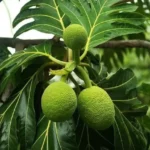
Grafted Breadfruit "Artocarpus Altilis" -Plant
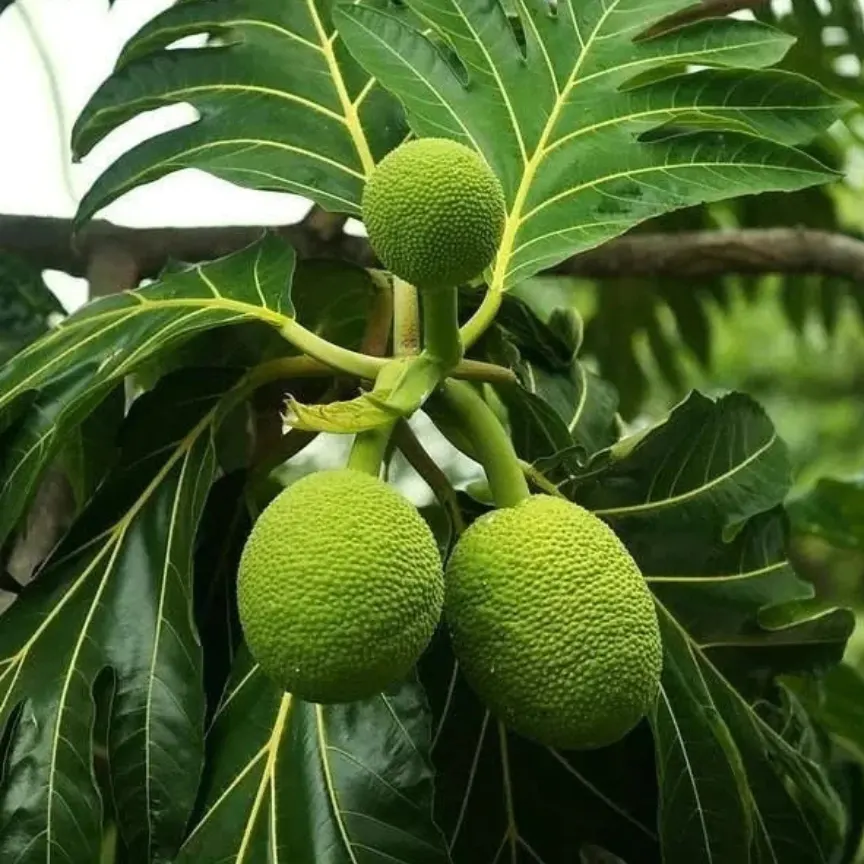
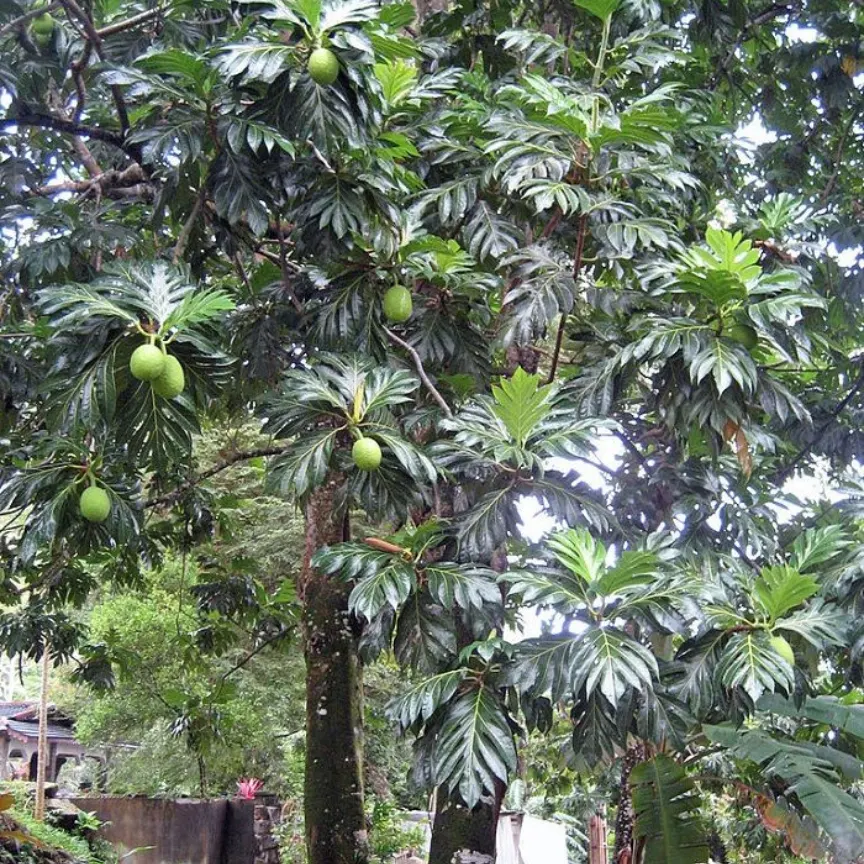
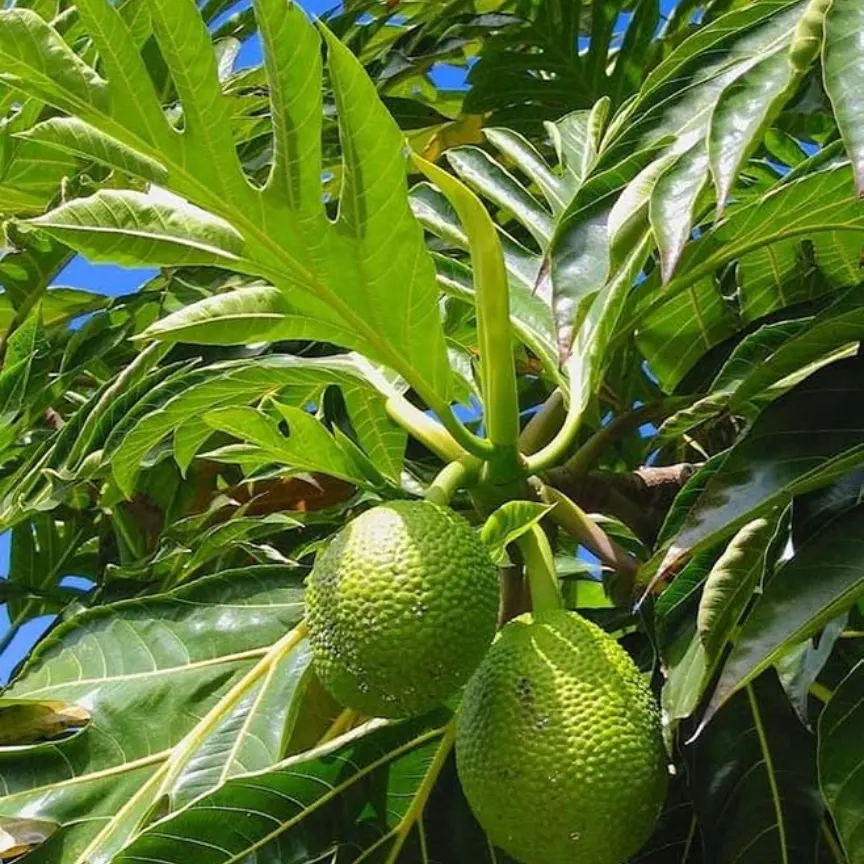
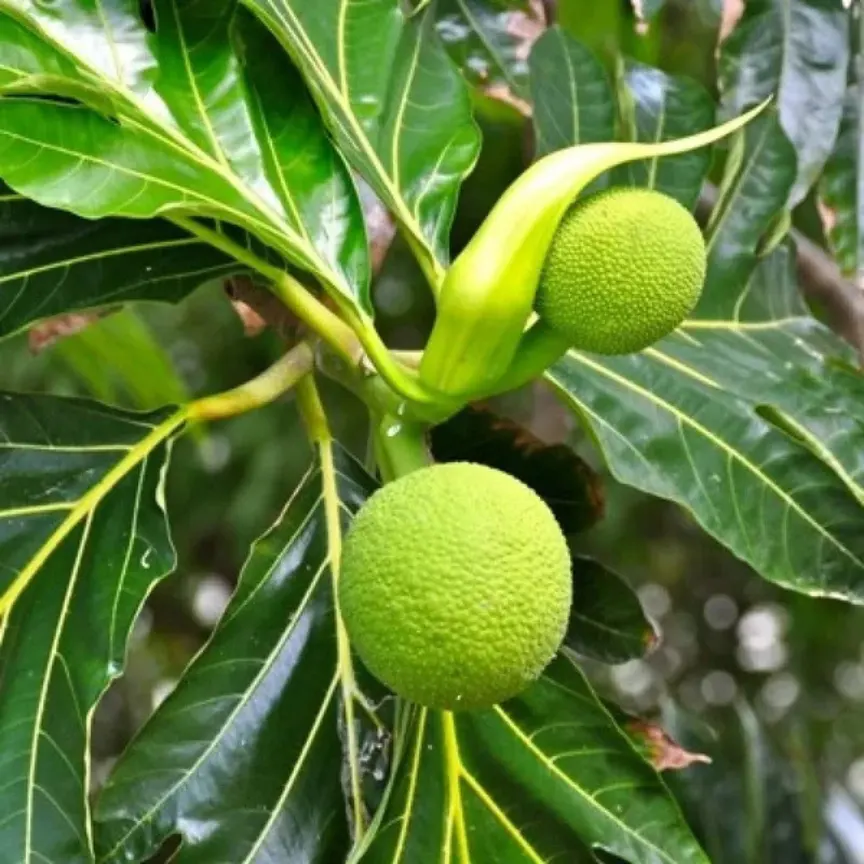
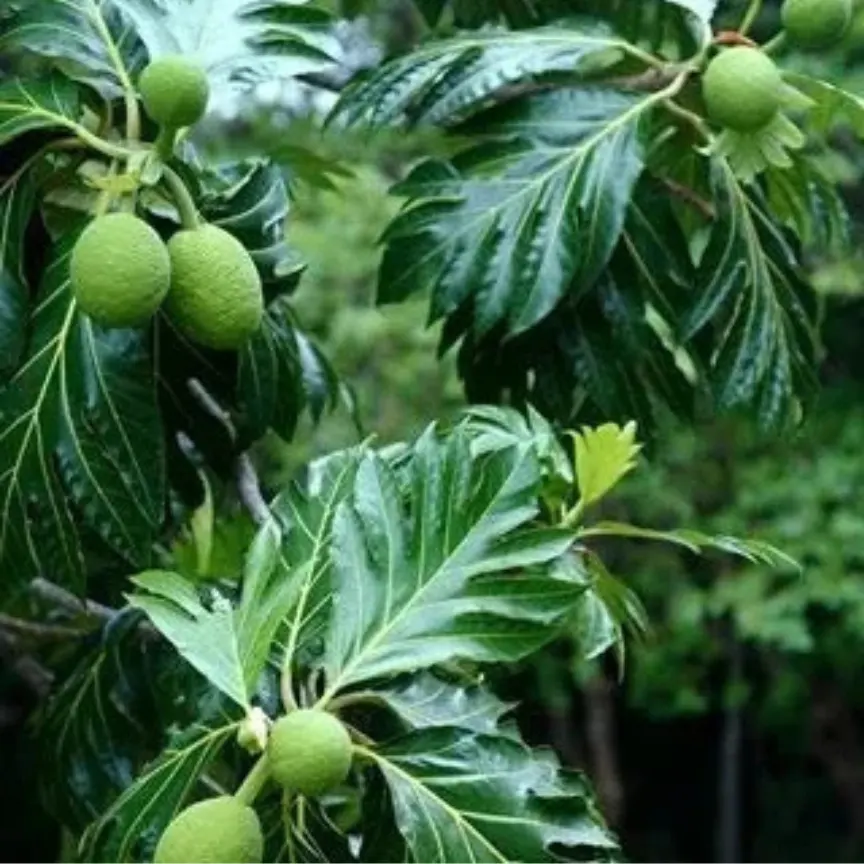
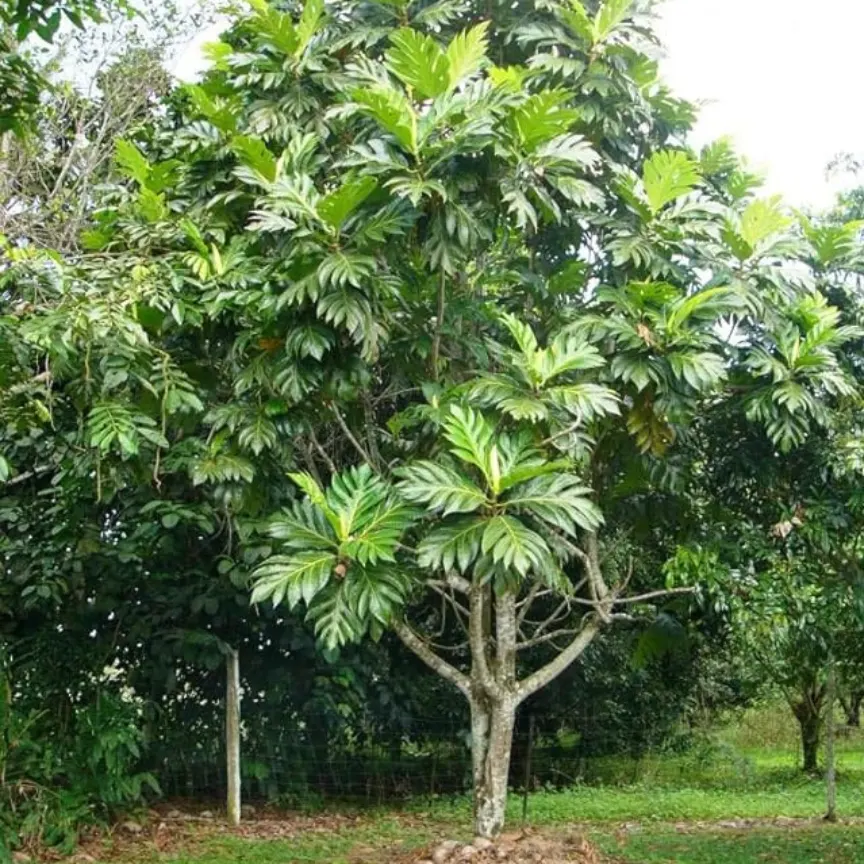
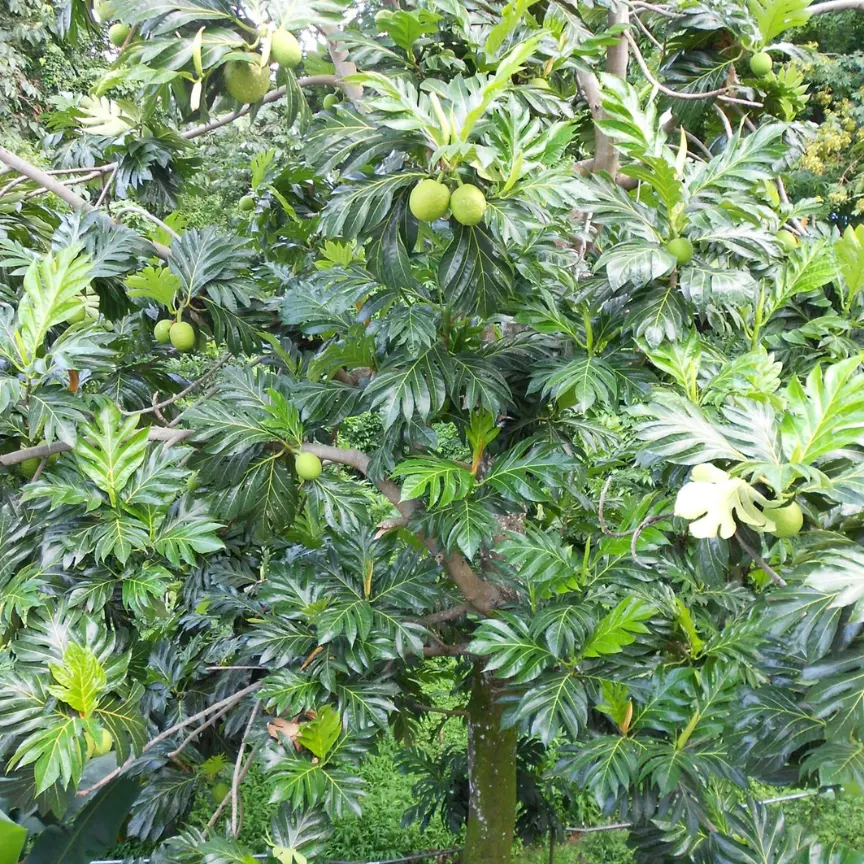
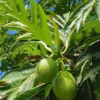
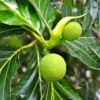
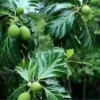
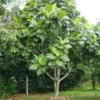
Grafted Breadfruit “Artocarpus Altilis” -Plant
₹1,449.00
- Live Plant along with a Plastic Pot.
- Plant height is 18-24 inches in 8 inch Pot.
- Low maintenance, outdoor plant, Useful for gardens, farms, and large landscapes.
Description
Grafted Breadfruit “Artocarpus Altilis” -Plant
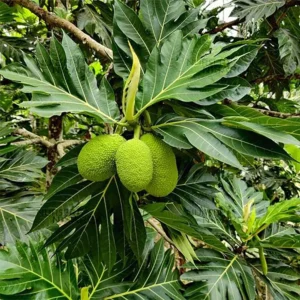
Grafted Breadfruit (Artocarpus Altilis) is a fast-growing tropical fruit tree valued for its large, nutritious fruits and attractive lush green foliage. Native to the South Pacific and Southeast Asia, it is now widely cultivated in tropical and subtropical regions around the world. This outdoor fruit plant thrives in full sunlight and well-drained soil, making it an excellent choice for home gardens, orchards, and landscapes.
A grafted Breadfruit plant produces fruits earlier than seed-grown trees and ensures better fruit quality and uniform growth. Its high-yielding nature, low maintenance, and versatile fruits—used for roasting, boiling, frying, and baking—make it a valuable addition to any edible garden.
Features
- Premium grafted variety that bears fruits earlier than seed-grown plants.
- Produces large, starchy, nutritious fruits rich in carbohydrates, fiber, potassium, and vitamins.
- Dense, glossy green foliage provides excellent shade and enhances landscape beauty.
- Long-lived, high-yielding fruit tree suitable for tropical and subtropical climates.
- Ideal for home gardens, farms, and edible landscapes.
Plantation
- Plant in a location receiving 6–8 hours of direct sunlight daily.
- Prefers fertile, well-drained, loamy soil with good organic matter.
- Dig a pit about 2 × 2 × 2 feet and mix compost or well-rotted manure before planting.
- Maintain a spacing of 8–10 meters (26–33 feet) between trees for healthy growth.
- Water thoroughly after planting and mulch around the base to retain moisture.
Growing
- Breadfruit grows best in warm, humid tropical climates with temperatures between 21°C and 32°C.
- Requires regular watering during the establishment stage.
- Feed with a balanced organic or NPK fertilizer every 2–3 months during the growing season.
- Remove dead or weak branches to encourage better canopy development and fruit production.
- Grafted plants generally begin fruiting within 2–4 years under ideal conditions.
Care & Tips
- Water consistently but avoid waterlogging, as excess moisture can cause root rot.
- Apply organic mulch to conserve soil moisture and suppress weeds.
- Protect young plants from frost and strong winds.
- Inspect regularly for pests such as mealybugs, scales, and fruit borers, and treat promptly if required.
- Annual pruning after harvest helps maintain shape, improves airflow, and promotes higher fruit yield.
Additional information
| Weight | 1.5 kg |
|---|---|
| Size | Large |
You must be logged in to post a review.
Reviews
There are no reviews yet.