
Gandharaj Lemon, Kaffir Lime (Big Nimbu) - Plant
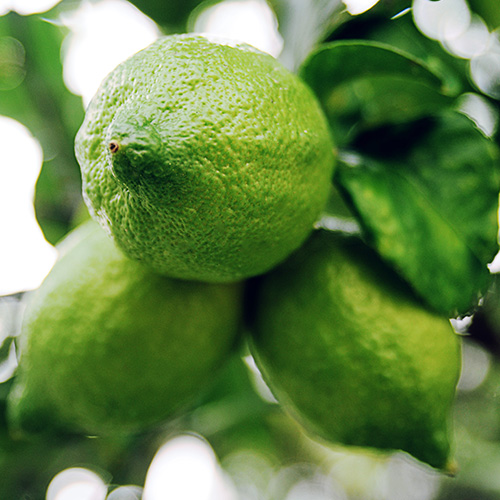

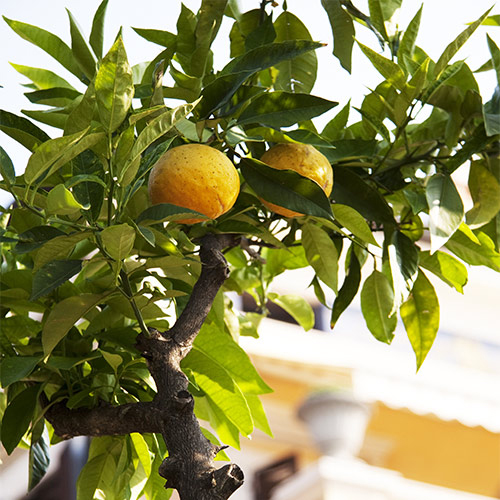
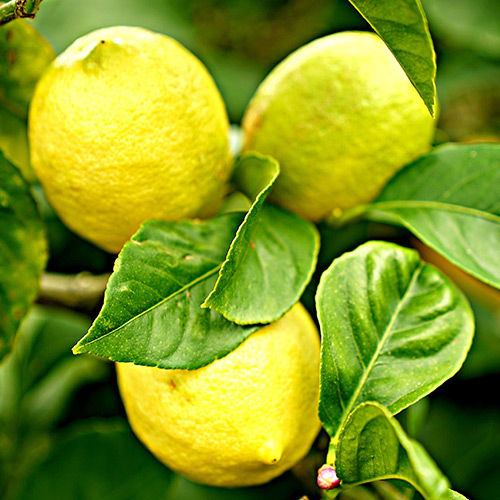
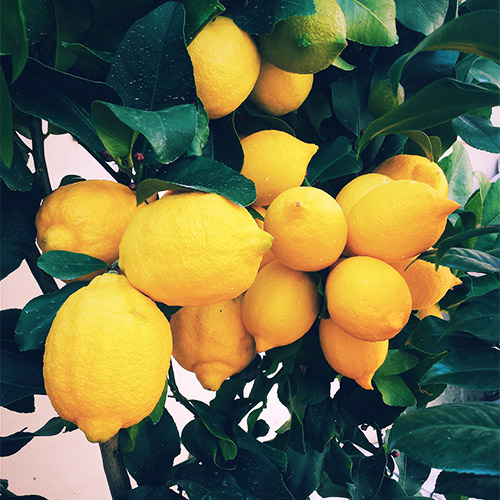
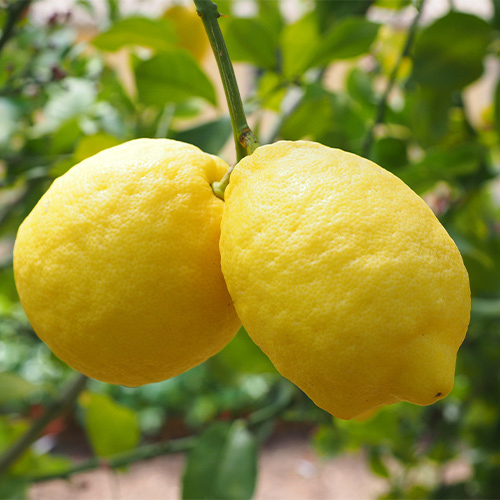
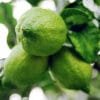
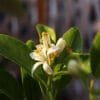
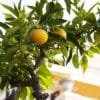
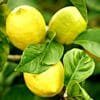
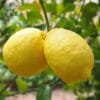
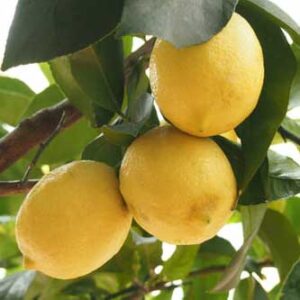
Gandharaj Lemon, Kaffir Lime (Big Nimbu) – Plant
Price range: ₹549.00 through ₹1,449.00
- Live plant along with the plastic pot.
- plants height with pot is 12-18 inches and pot size is 6 inches.
- plants height with pot is 18-24 inches and pot size is 8 inches.
- plants nature is outdoor grows like Bush, less watering.
- Air Layered plant, starts fruiting in within a year.
- Best fruit plant, easy maintenance, fast-growing.
- Assured Safe & Fresh Delivery With Easy Replacement.
Description
Gandharaj Lemon, Kaffir Lime (Big Nimbu) – Plant
This lime is popularly known as the King of lime in West Bengal. Also Gondhoraj Lemon called the kaffir lime, makrut or Mauritius papeda is a citrus fruit native to tropical Asia, including India, Nepal, Bangladesh, Thailand, Indonesia, Malaysia, and the Philippines. This lemon with a very little amount of juice is extremely popular in the eastern part of India. The popularity comes from a strong but pleasant fragrance this lemon exudes when cut sections are squeezed. The fragrant juice and pulp are primarily mixed with rice. There is a belief in Ayurvedic medicine that a cup of hot water with lemon juice in it every morning tonifies and purifies the liver. Lemon juice, rind, and zest are used in a wide variety of food and drink. It is used to make lemonade, soft drinks, and cocktails. It is used in marinades for fish. Lemons also make a good short-term preservative, commonly used on sliced apples. This keeps the fruit crisp and white for about a day, preventing the unappetizing browning effect of oxidization. This helps to prolong the usage of the fruit. In India, the lemon is used in Indian traditional medicines Siddha Medicine and Ayurveda.
Features of Gandharaj Lemon / Kaffir Lime (Big Nimbu) Plant
- Aromatic citrus plant known for its highly fragrant leaves and bumpy green fruits
- Popular in cooking, herbal uses, and traditional gardens
- Evergreen plant with glossy dark green foliage
- Produces strong citrus fragrance throughout the year
- Suitable for terrace gardens, balconies, and outdoor landscapes
- Fruits and leaves are commonly used in Asian cuisine and refreshing drinks
Growing Tips
- Grows best in warm and humid climates
- Prefers full sunlight for healthy growth and better fruiting
- Plant in well-draining, nutrient-rich soil
- Ideal for pots, grow bags, and garden planting
- Water regularly but avoid waterlogging
- Apply organic compost or citrus fertilizer every 20–30 days during growing season
Care Tips
- Keep the plant in 5–6 hours of direct sunlight daily
- Prune dry or weak branches to maintain shape and airflow
- Water when the top soil feels slightly dry
- Protect from heavy frost and extreme cold conditions
- Use neem oil spray to control common pests like aphids and mealybugs
- Repot every 1–2 years if grown in containers for better root development
You must be logged in to post a review.
Reviews
There are no reviews yet.